



Why the Next Surgical Revolution is About Access, Not More Expensive Tech


The SAGES 2026 meeting kicked off yesterday in Tampa with a theme that perfectly mirrors our mission: Connect to Purpose. While the industry often focuses on multimillion-dollar solutions, the real work of democratizing surgery is happening in the global surgery sessions. The newest SAGES White Paper, Optimizing the Management of Laparoscopic Equipment in Low-Resource Settings, is not just a guide for mission trips. It is a blueprint for breaking the outdated cycle of high-cost, high-waste procurement that has paralyzed surgical access for five billion people.
Precision and visualization are the pillars of the modern OR, but the current math of innovation does not add up for 95% of the world. As highlighted by lead authors Joseph Nderitu, Linda Zhang, Robert Parker, and their colleagues, roughly five billion people still lack access to safe, affordable surgery. The poorest third of the world receives only 6% of all surgical procedures, yet bears a massive portion of the global disease burden. As we noted in our look at the ACS Robotic Standard, a $1.5 million entry fee for advanced tech effectively locks out rural clinics and low-resource settings. At Endoscopy Superstore, we do not believe elite visualization should be a political or geographic privilege. If a surgeon in Tampa can have 3D depth perception, a surgeon in a resource-limited clinic in Haiti or rural America should have it too.
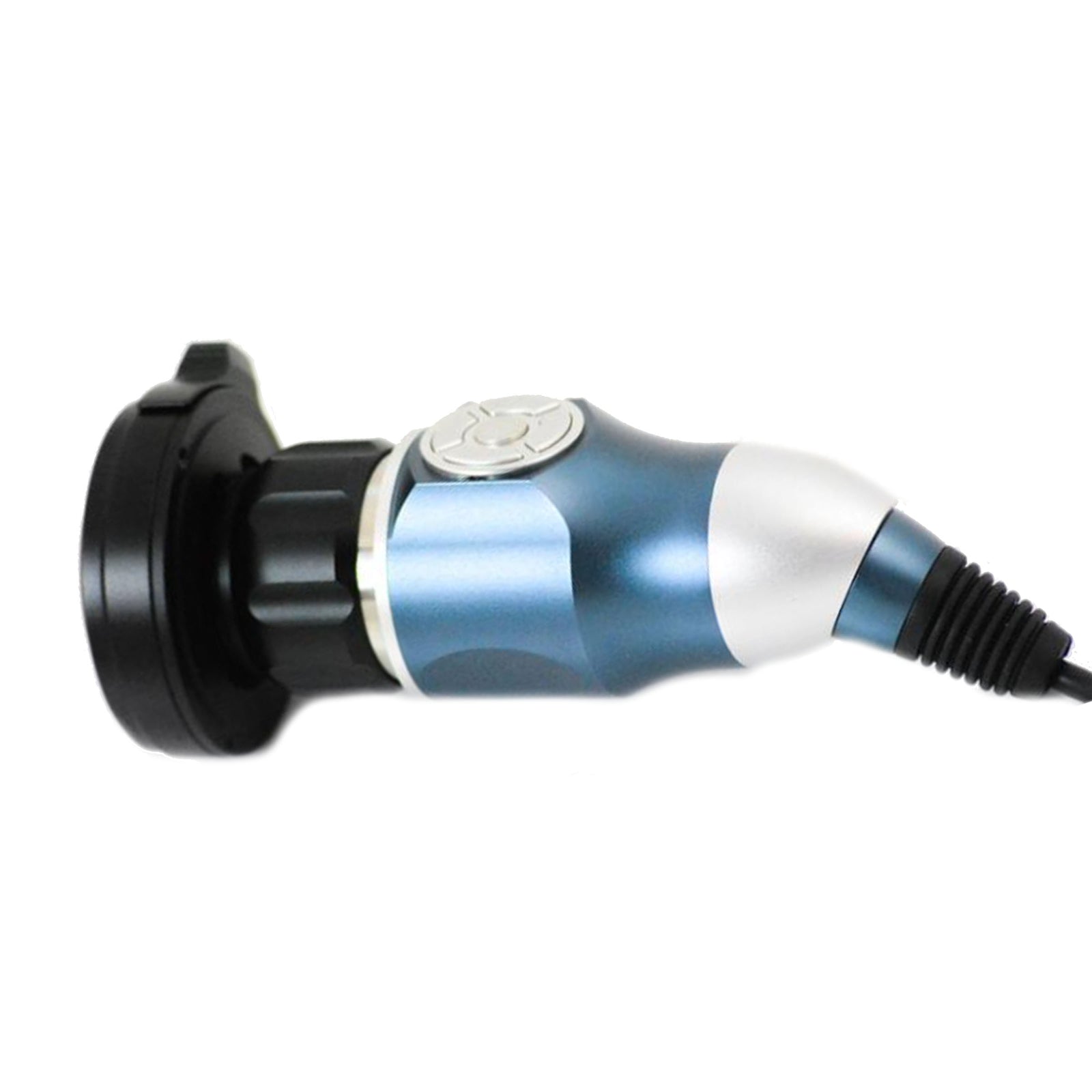
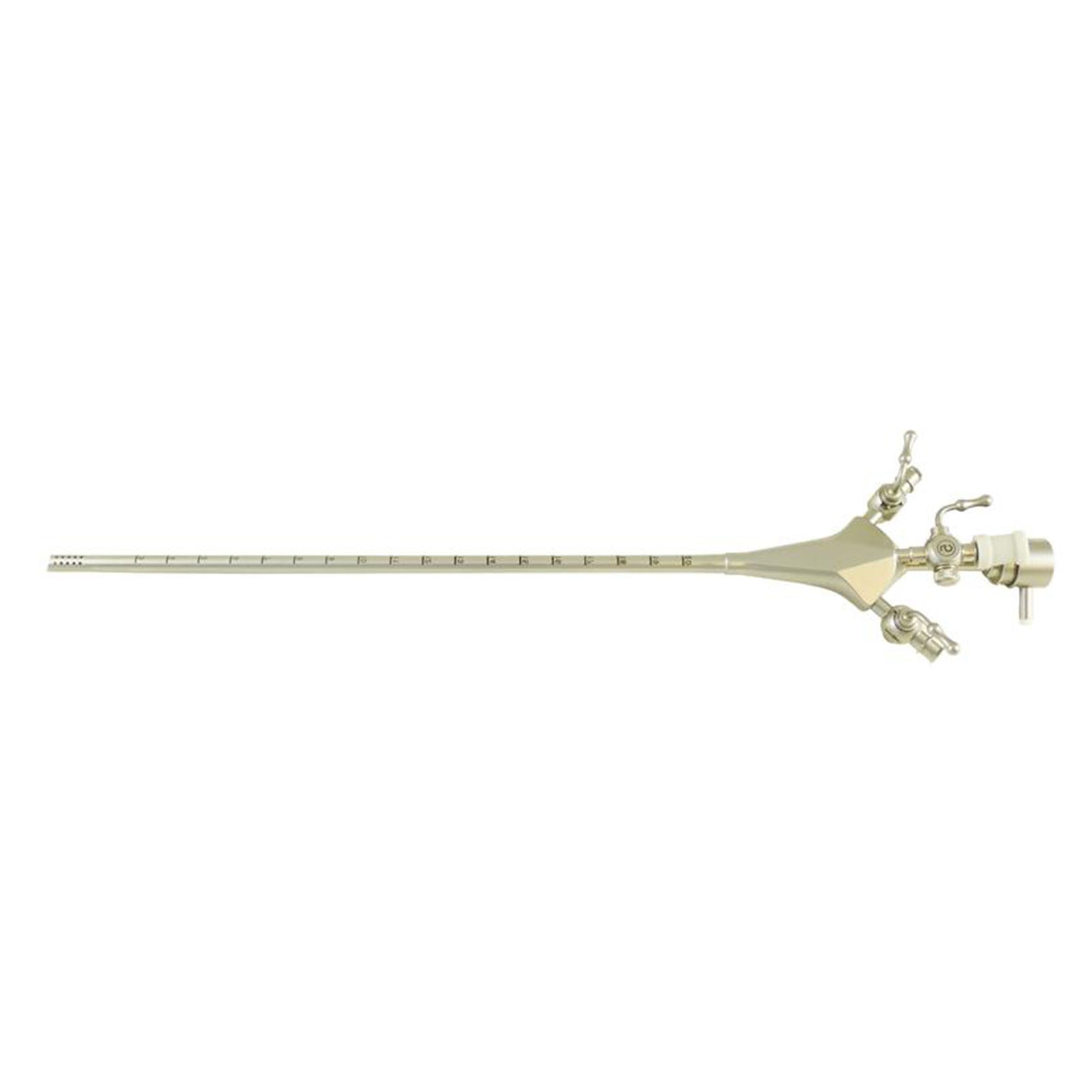
The White Paper outlines how surgeons in low-resource settings (LRS) are leading the world in reverse innovation. They are proving that high-standard surgery does not require a Silicon Valley budget; it requires smarter engineering. These surgeons are repurposing available technologies to meet complex needs, using rechargeable battery-powered LED light sources and even mobile phones as improvised laparoscopic cameras. When CO2 tanks are unavailable or too expensive, mechanical wall-lifting retractors—Gasless Insufflation-less Laparoscopic Surgery (GILLS)—allow for safe minimally invasive procedures without the need for complex, high-maintenance insufflators. This is not just a workaround; it is a critical pivot toward a sustainable, accessible surgical future.
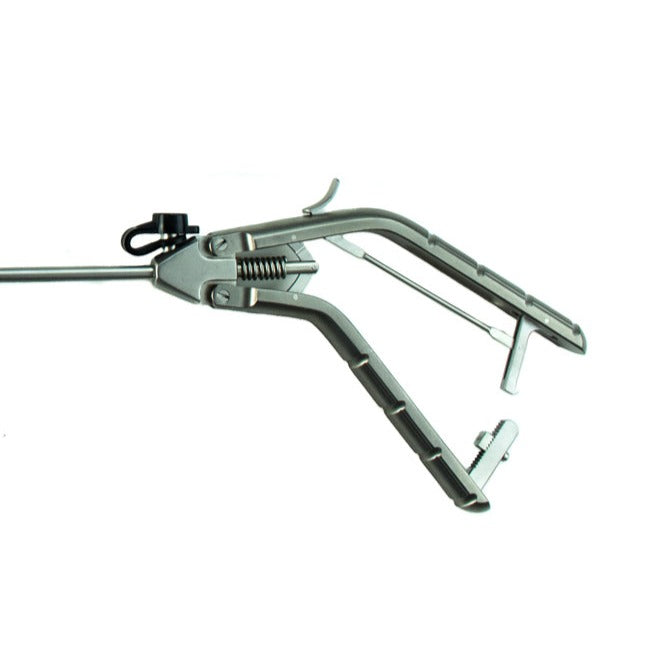
Furthermore, the paper challenges the costly reliance on single-use disposables. By prioritizing high-quality, durable reusables and locally adapted sterilization, such as disinfecting valves with Cidex and utilizing resterilizable cloth covers for non-watertight cameras, these facilities are achieving the same outcomes as high-resource centers at a fraction of the cost and carbon footprint. Simple, ingenious adaptations like sewing sterilized cloth pockets into surgical drapes to protect delicate instruments from drops prove that equipment longevity is a matter of protocol, not just price.
Using homemade simulators and telesimulation, these programs are building surgical minds that are more adaptable and efficient than those trained only on the most expensive tech. The authors detail how affordable self-made trainers—crafted from everyday materials like foam, rubber, and silicone to simulate human tissue—provide essential hands-on experience for a fraction of the $500 to $4,000 cost of commercial systems. These trainers are used in structured curricula like the LAPP and GLAP programs to teach fundamental principles of motion control and visual attention. The ACS calls for equitable, scalable, high-quality surgical systems, and we are answering that call by decoupling elite vision from robotic price tags. Our movement is not about making surgery cheaper in a way that compromises safety; it is about making it smarter by providing 3D visualization that retrofits to existing equipment, enabling every surgeon to see with the clarity of a robotic platform.
In 2026, the goal is no longer to just connect to purpose in our own backyard. It is to ensure that the surgical standard we celebrated in Tampa yesterday is the same one available to every patient, everywhere. We are bridging the gap between the financial barriers of the past and the five billion people waiting for care. You can study the full strategic framework for global access in the original article: Optimizing the management of laparoscopic equipment in low-resource settings: a SAGES White Paper.
Reference: Nderitu J, Zhang L, Parker R, Ndong A, Ducklo NZ, Mugao M, Njihia B, Colunga C, Mwachiro M, Namugenyi C, Anderson MB, Carasquilla A, Davis R. Optimizing the management of laparoscopic equipment in low-resource settings: a SAGES White Paper. Surgical Endoscopy. 2026;40:1105–1122. Published March 22, 2026.
Experience a smarter way to source endoscopy equipment—all in one place.
✔ Wide selection of trusted endoscopy brands
✔ Competitive pricing without compromising quality
✔ Fast, reliable access to the tools you need—when you need them
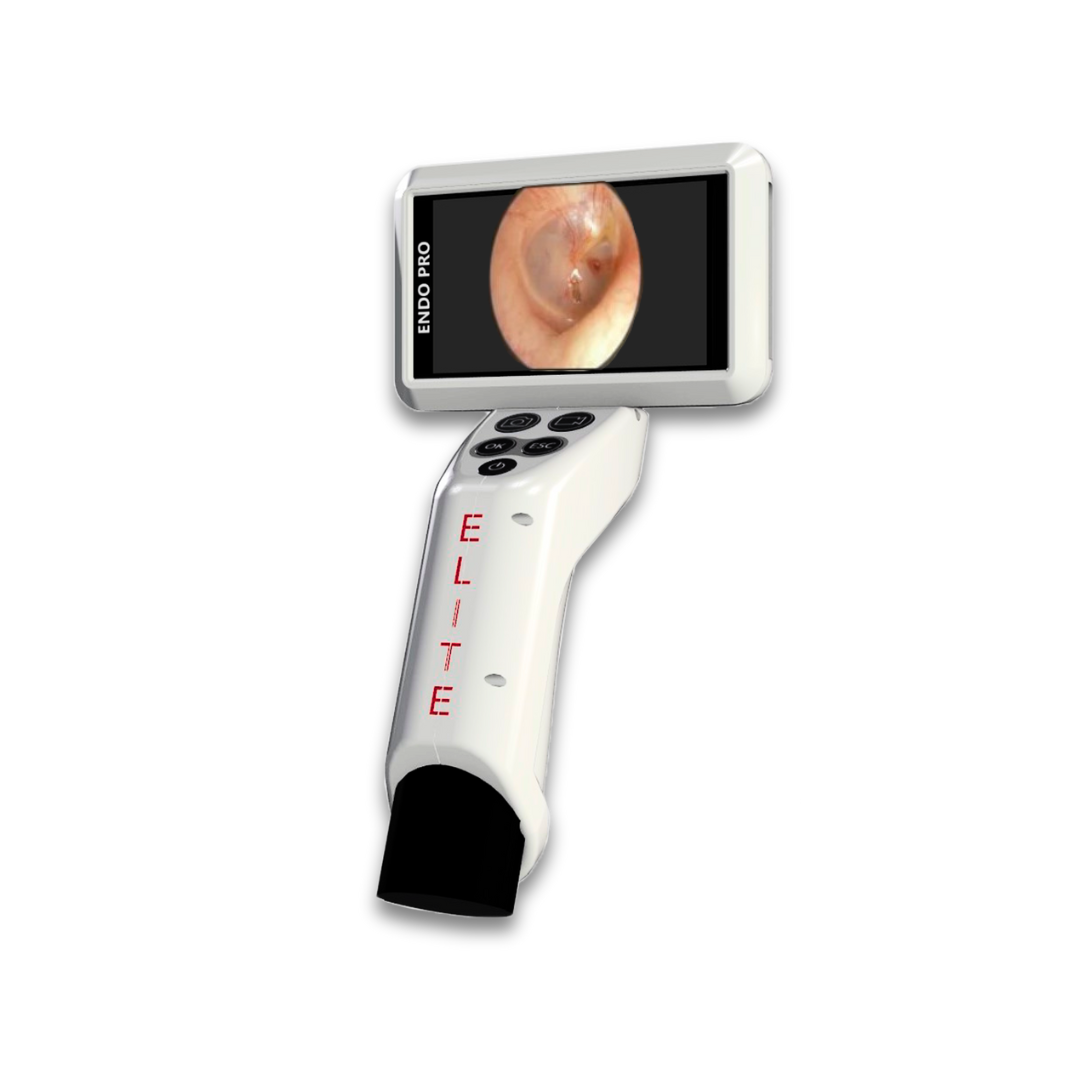
👉 Explore how EndoPro® 3D can transform your surgical technique.

Disclaimer: All product names, logos, brands, and trademarks displayed on this website are the property of their respective owners and are used solely for informational and descriptive purposes. The appearance of any third-party trademarks does not imply any affiliation, endorsement, sponsorship, or authorization by the trademark holder. This ecommerce store and its product listings operate independently and are not affiliated with, authorized by, endorsed by, or officially connected to KARL STORZ, Medtronic, Olympus Corporation, Richard Wolf GmbH, Stryker Corporation, or any other trademark owners referenced on this site, including their respective subsidiaries or affiliates.