




UCSF Skull Base Lab: A Microcosm of Evolving Surgical Training


Inside the University of California, San Francisco Skull Base & Cerebrovascular Laboratory, a recent hands-on training session for ENT residents offered a focused view into how surgical education continues to evolve alongside advances in technology and technique. Structured around cadaveric dissection and faculty-guided instruction, the session emphasized not only procedural execution, but the broader framework through which skull base surgery is taught and refined.
Established in 2012 under the direction of Roberto Rodriguez Rubio, the laboratory has become a central environment for multidisciplinary collaboration across neurosurgery and otolaryngology. Its design allows for the recreation of complex surgical scenarios, enabling trainees to engage in repeated dissection while refining spatial awareness, operative sequencing, and technical control within anatomically constrained regions.
Within this setting, training is shaped not only by hands-on experience but by ongoing clinical and translational research. Faculty involvement in studies spanning skull base reconstruction, pituitary tumor surgery, and head and neck oncology reflects an emphasis on linking operative technique with measurable outcomes. Work examining care delays, postoperative recovery, and patient-specific factors further situates surgical decision-making within a broader clinical context.
This integration of research and training is reflected in the work of faculty including Ivan H. El-Sayed and Jose G. Gurrola, whose contributions span minimally invasive skull base approaches, surgical planning, and emerging methods in anatomic education and simulation. These parallel efforts underscore a shift toward training models that extend beyond technical skill acquisition to include a deeper understanding of disease processes, outcomes, and approach selection.
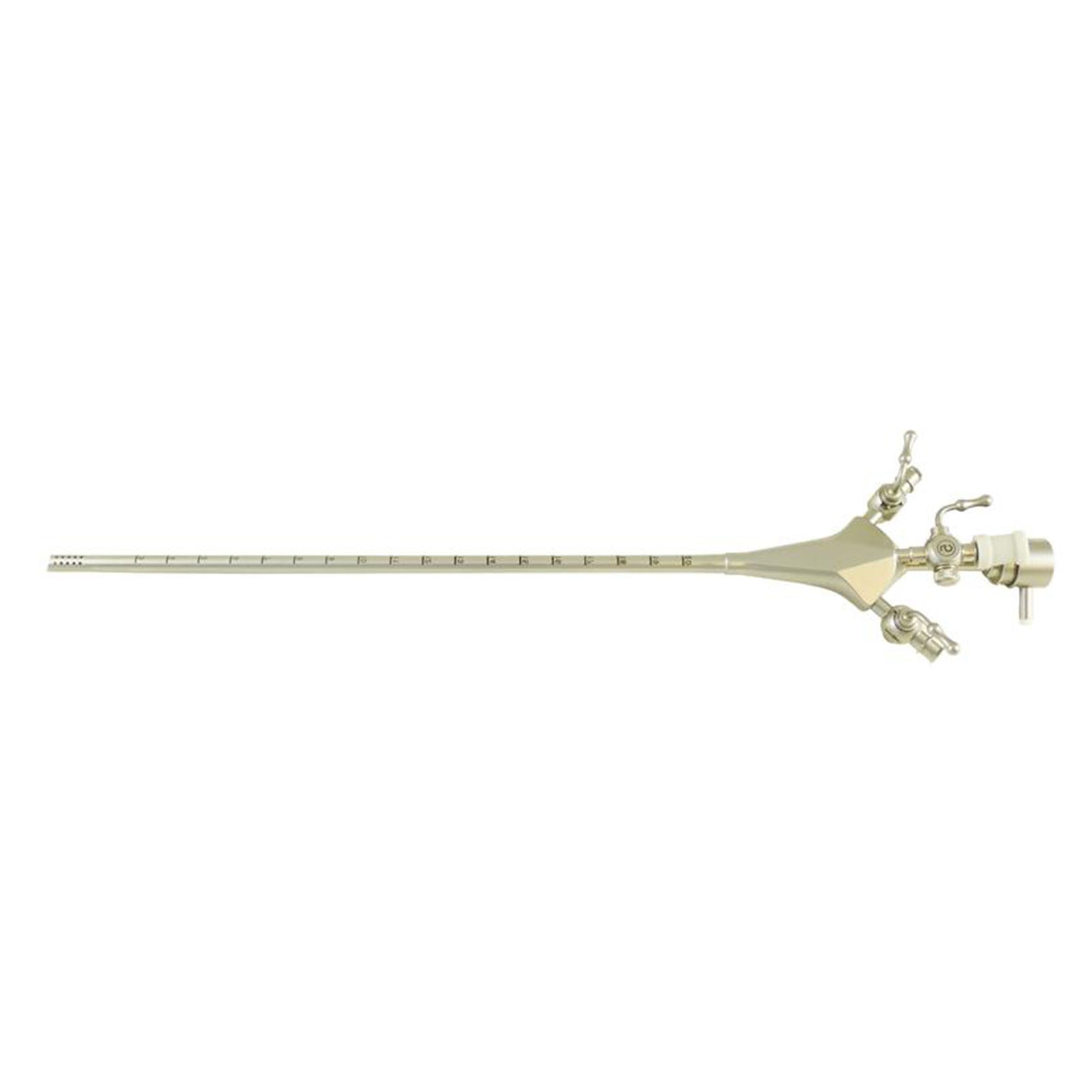
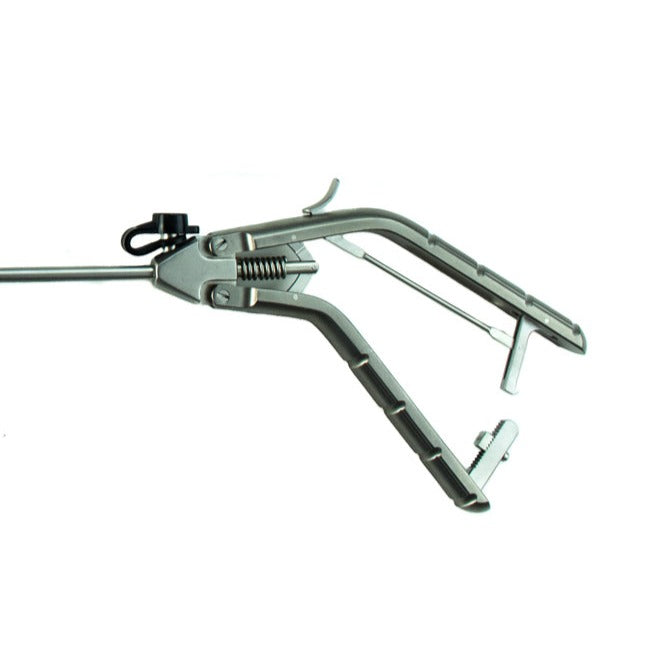
The lab session itself focused on endoscopic skull base techniques, with participants rotating through dissection stations designed to replicate real operative conditions. As in other advanced training environments, the emphasis remained on repetition and direct faculty interaction, allowing residents to translate anatomical knowledge into procedural execution.
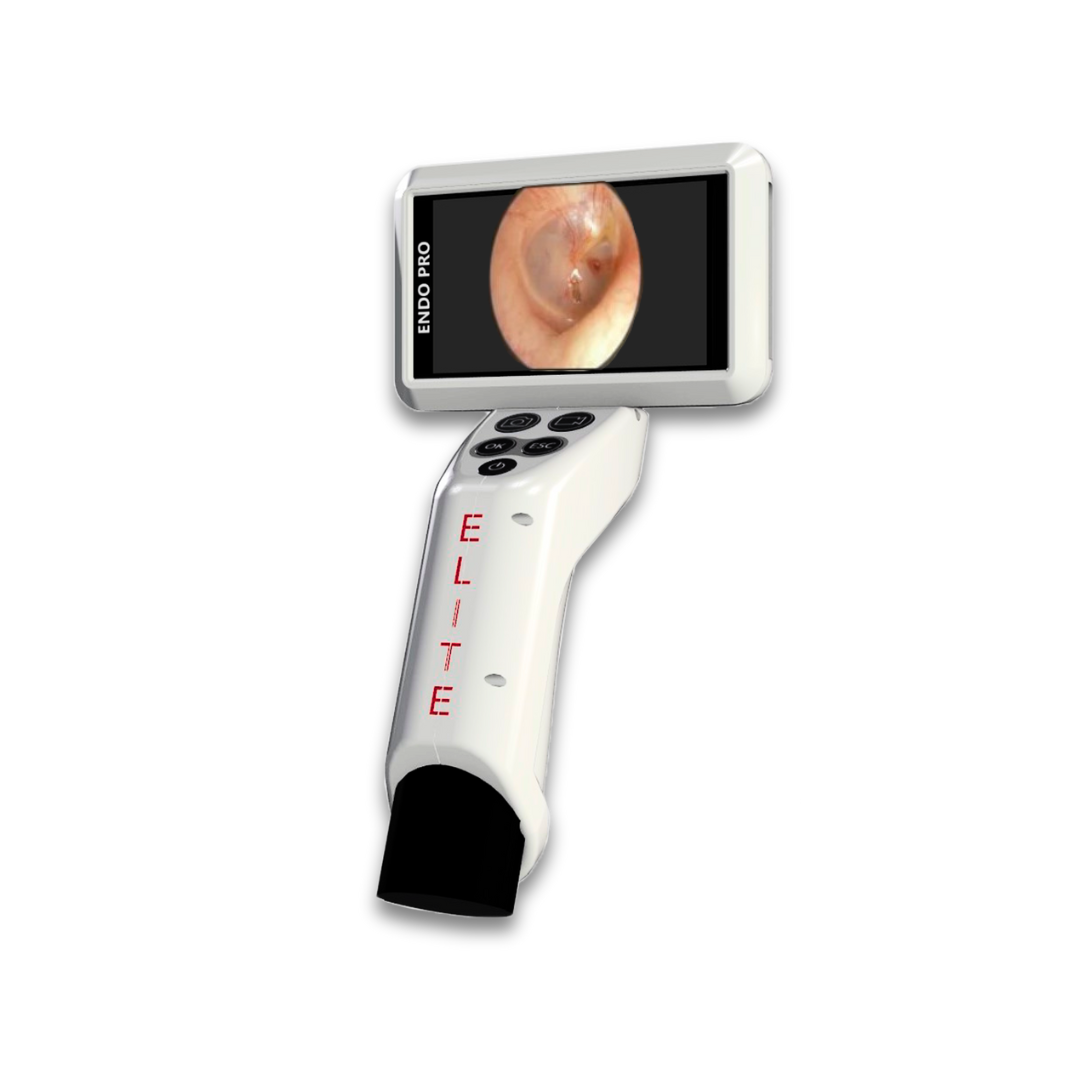
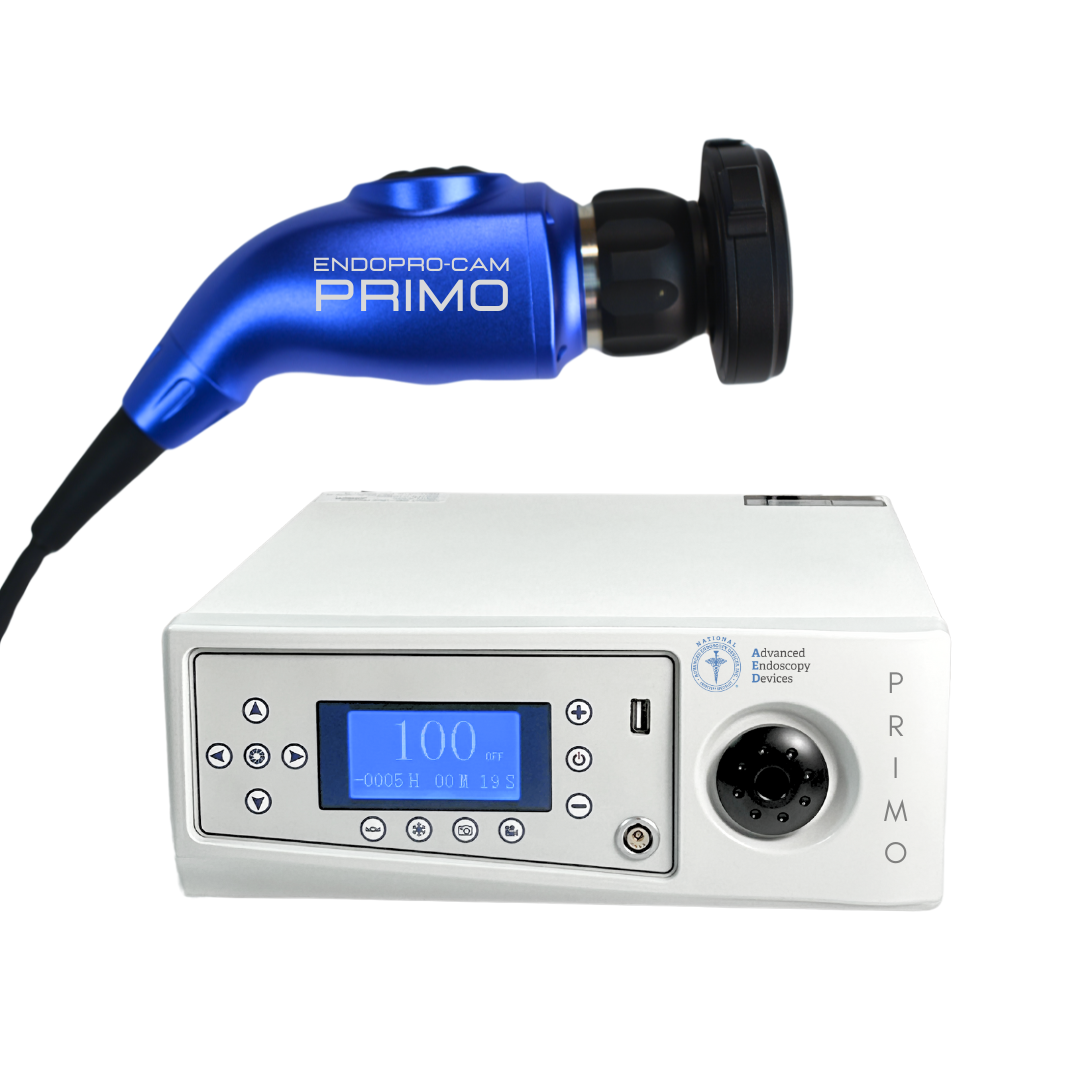
A notable component of the session was the integration of the AED ENDOPRO® 3D during dissection. The system introduced depth-enhanced visualization within the endonasal corridor, providing an alternative to traditional two-dimensional imaging. In these confined anatomical spaces, improved depth perception contributed to a more intuitive understanding of instrument positioning and tissue planes, particularly during fine dissection near critical neurovascular structures.
Faculty including Andrew Goldberg and Andrew Murr were present throughout the session, reinforcing the lab’s role as a site of both instruction and evaluation. As with other emerging technologies, the use of 3D visualization was considered within the context of established surgical principles, rather than as a replacement for them.
Across the session, the introduction of advanced visualization did not alter the core structure of training, but rather functioned within it—supporting spatial orientation while leaving intact the emphasis on anatomical knowledge, technical discipline, and operative judgment. This balance reflects a broader pattern in surgical education, where new tools are integrated incrementally into systems built on repetition, mentorship, and critical assessment.
The experience at UCSF illustrates how leading training environments are adapting to incorporate emerging technologies without losing focus on foundational principles. In this sense, the lab serves as a microcosm of a larger shift: one in which surgical education is increasingly defined not just by what surgeons can see, but by how they are trained to interpret, decide, and act.
Experience a smarter way to source endoscopy equipment—all in one place.
✔ Wide selection of trusted endoscopy brands
✔ Competitive pricing without compromising quality
✔ Fast, reliable access to the tools you need—when you need them
👉 Explore how EndoPro® 3D can transform your surgical technique.

Disclaimer: All product names, logos, brands, and trademarks displayed on this website are the property of their respective owners and are used solely for informational and descriptive purposes. The appearance of any third-party trademarks does not imply any affiliation, endorsement, sponsorship, or authorization by the trademark holder. This ecommerce store and its product listings operate independently and are not affiliated with, authorized by, endorsed by, or officially connected to KARL STORZ, Medtronic, Olympus Corporation, Richard Wolf GmbH, Stryker Corporation, or any other trademark owners referenced on this site, including their respective subsidiaries or affiliates.