



The Prostate Laser Wars: Is There a "Clear Winner" for Your OR?


Is it the laser, or is it the view? The February 2026 AUA feature, "Holmium vs Thulium vs Thulium Fiber Laser: Is There a Clear Winner for Enucleation of the Prostate?", highlights a key shift in prostate surgery: the “Standard of Care” is increasingly defined not by the wavelength of the laser, but by the precision and clarity of the enucleation itself.
Authors Maheshwari and Harne note that while Holmium (HoLEP) remains the size-independent benchmark for adenoma removal, newer technologies like Thulium Fiber Laser (TFL) offer a gentler learning curve and excellent hemostasis. Yet the practical challenges are clear. Proprietary laser consoles are expensive, and maintaining visibility during enucleation can be difficult.
The article reinforces that HoLEP allows “complete adenoma enucleation while maintaining clear capsule identification”, but admits the technique is “difficult to learn.” TFL, on the other hand, provides “greater precision” but can suffer from visibility issues due to its vapor-dominant effect. These observations underscore a critical point: the success of any laser approach is tied as much to the supporting instrumentation as to the energy source itself.
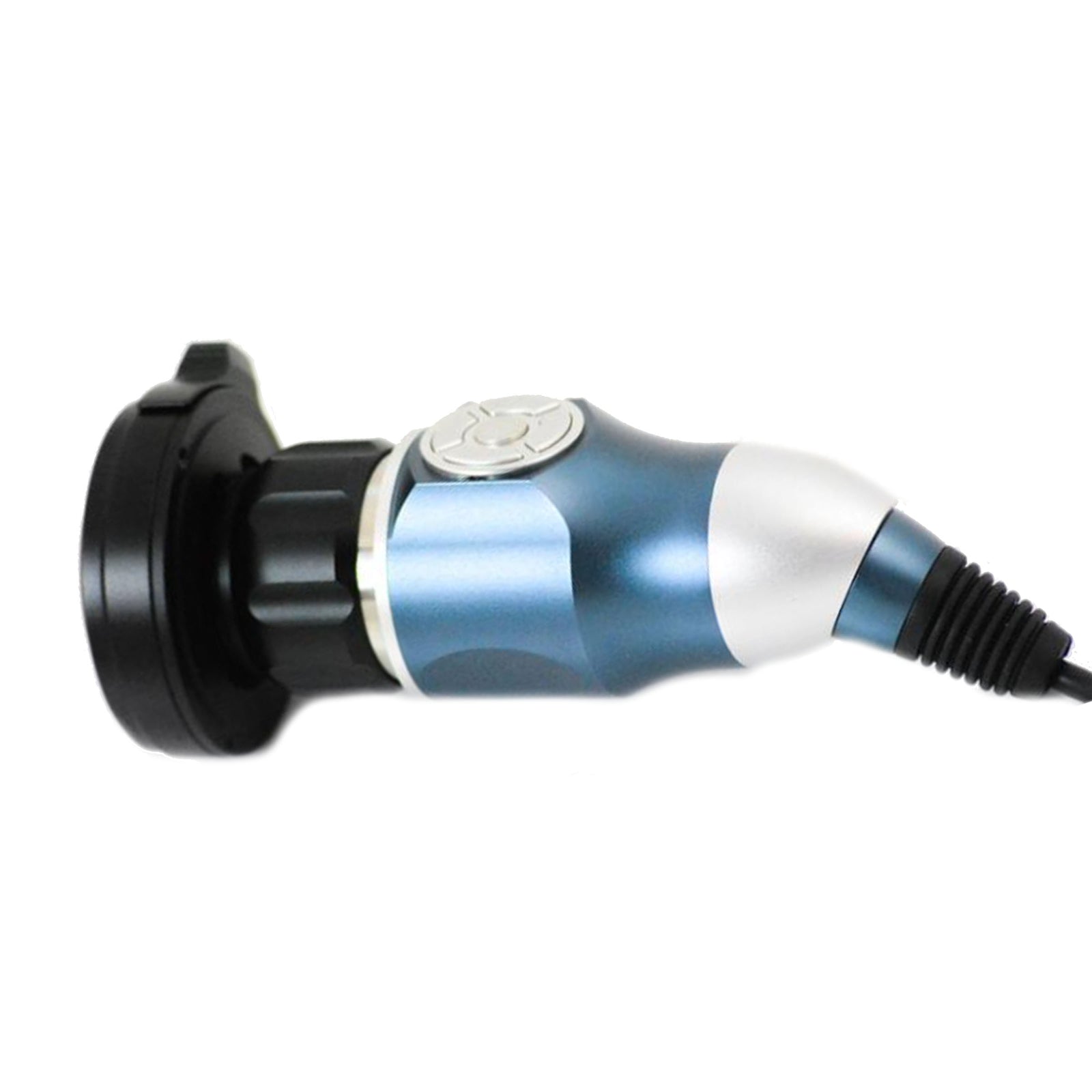
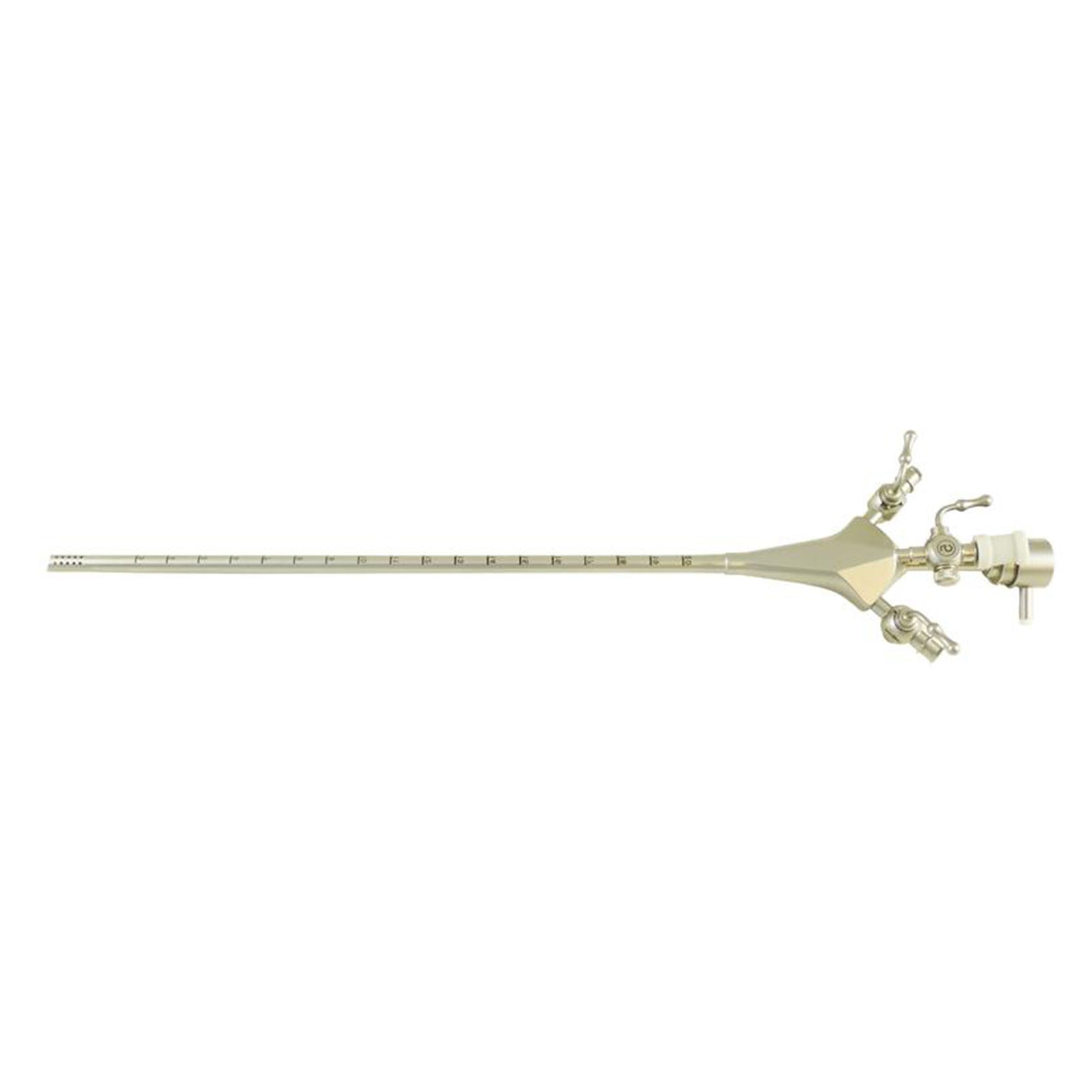
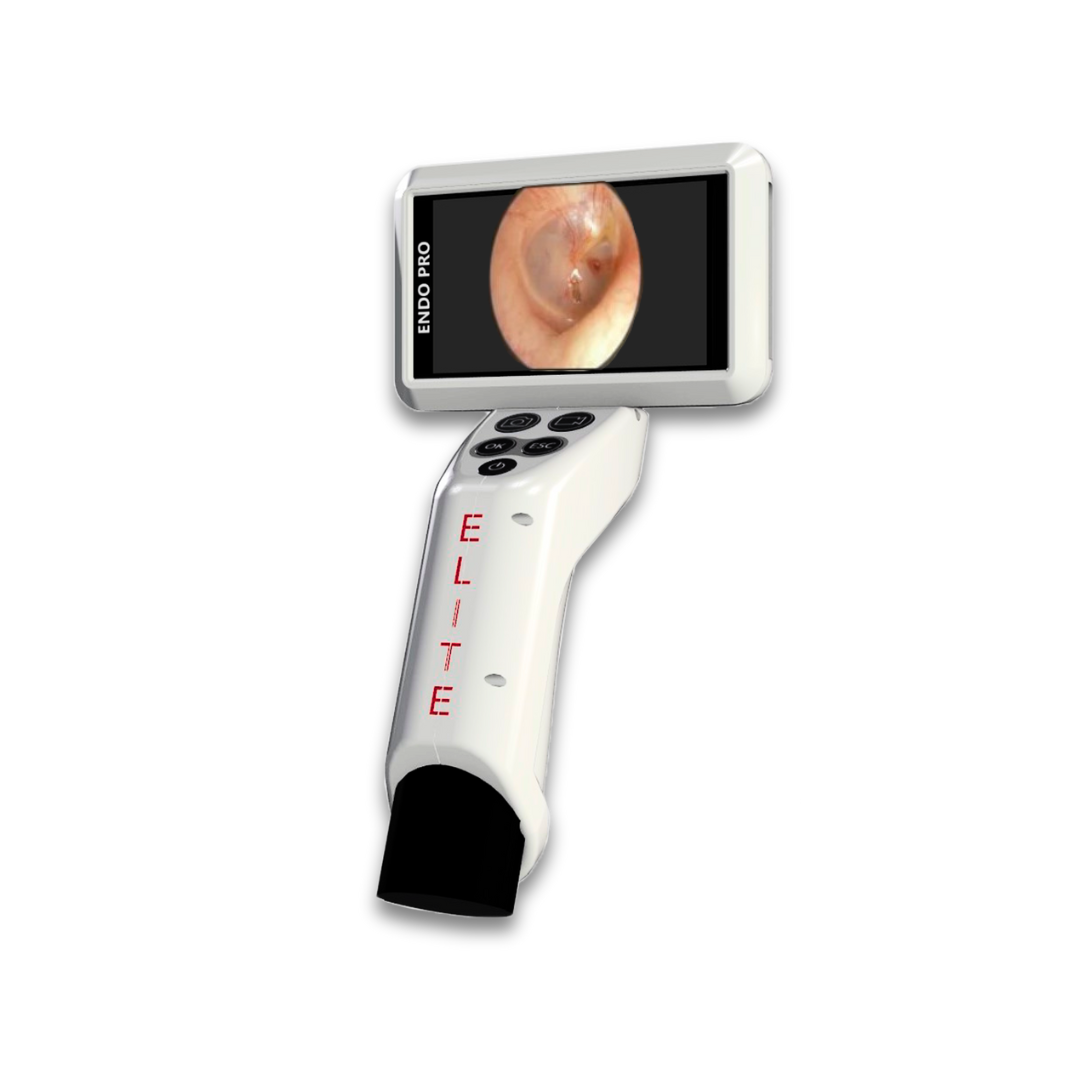
This is where thoughtful surgical tools make a real difference. High-flow, continuous-flow resectoscopes, laser bridges, and high-definition telescopes can enhance visibility, shorten learning curves, and give surgeons the ability to clearly identify the surgical plane, whether using the cavitation bubble of Holmium or the smooth cutting of TFL. Versatile, ergonomic instruments let clinics handle both large adenomas and patients on anticoagulants without needing multiple costly laser systems.
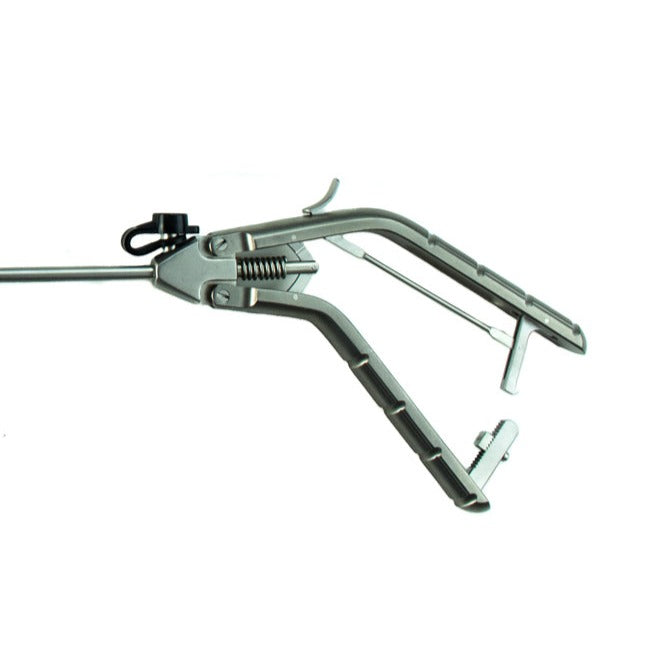
The AUA article also points out that in many cases, the choice of laser may not change functional outcomes for older patients or those in particular clinical settings. The limiting factor is access to reliable, cost-effective tools capable of handling morcellation and stone retrieval. By focusing on universal, laser-agnostic instrumentation, surgeons can achieve consistent results across different platforms, maintaining the high standards typically associated with academic centers.
Ultimately, the takeaway from the AUA feature is sobering but clear. No laser is categorically superior. Functional outcomes are comparable, but the surgeon’s ability to see and maneuver, supported by high-quality instrumentation, is what truly defines success. For clinicians looking to optimize prostate surgery, investing in versatile, reliable tools can make the difference between a steep learning curve and confident, precise enucleation.
For those exploring advanced urological instrumentation, there is now a growing selection of laser-compatible scopes, bridges, and stone management tools designed to support both Holmium and Thulium approaches, helping surgeons translate these “gold standard” techniques into everyday practice.
Reference: Maheshwari PN, Harne S. Holmium vs Thulium vs Thulium Fiber Laser: Is There a Clear Winner for Enucleation of the Prostate? AUA News. 2026;31(2).
Experience a smarter way to source endoscopy equipment—all in one place.
✔ Wide selection of trusted endoscopy brands
✔ Competitive pricing without compromising quality
✔ Fast, reliable access to the tools you need—when you need them
👉 Explore how EndoPro® 3D can transform your surgical technique.

Disclaimer: All product names, logos, brands, and trademarks displayed on this website are the property of their respective owners and are used solely for informational and descriptive purposes. The appearance of any third-party trademarks does not imply any affiliation, endorsement, sponsorship, or authorization by the trademark holder. This ecommerce store and its product listings operate independently and are not affiliated with, authorized by, endorsed by, or officially connected to KARL STORZ, Medtronic, Olympus Corporation, Richard Wolf GmbH, Stryker Corporation, or any other trademark owners referenced on this site, including their respective subsidiaries or affiliates.