



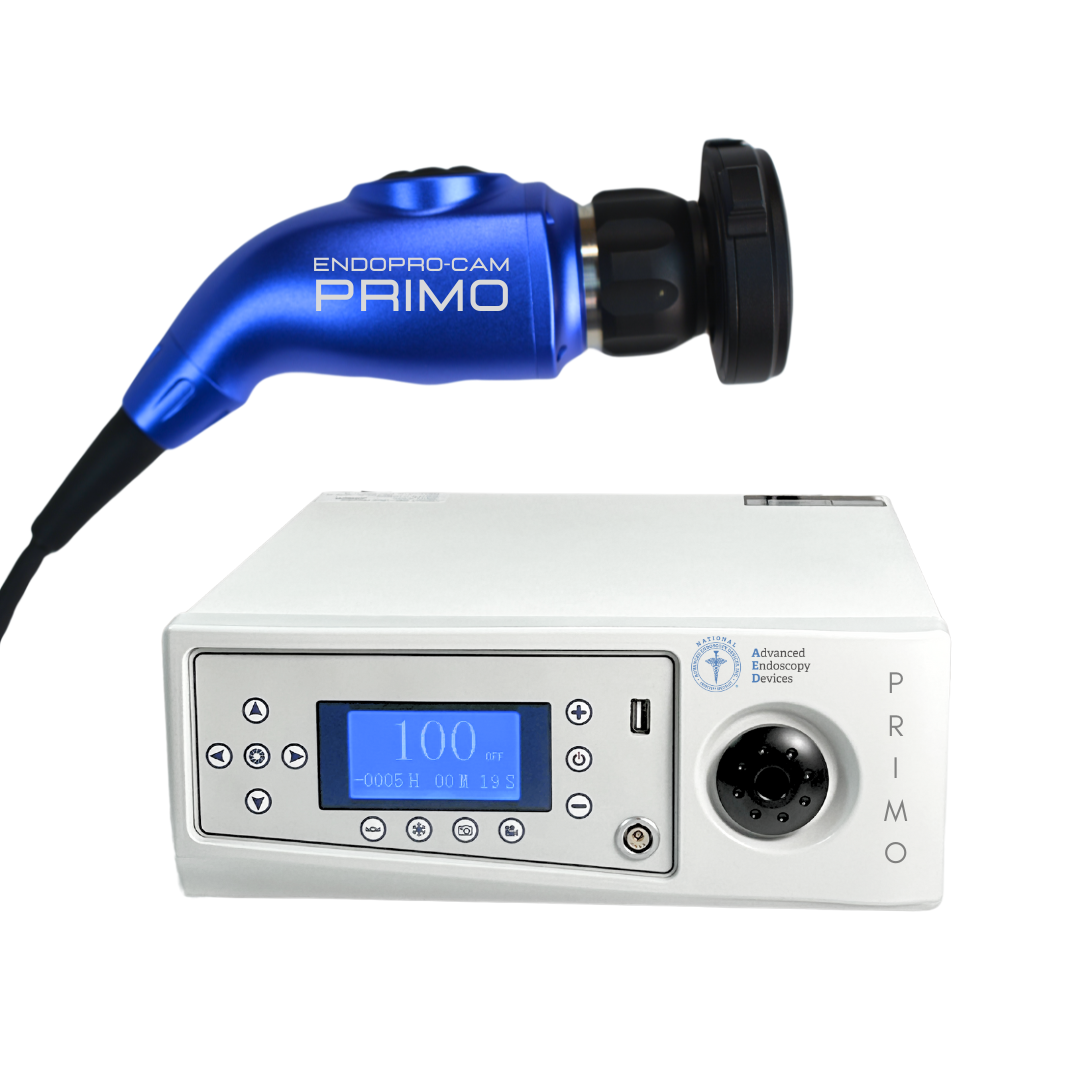
Rethinking Surgical Instrument Procurement in Modern Hospitals


Surgical procurement is undergoing a structural shift as hospitals contend with sustained cost pressure, supply chain variability, and increasing demands on operating room efficiency. Traditional distribution models, long defined by layered markups, fragmented ordering systems, and representative-driven sales processes, are increasingly being reassessed in the context of modern healthcare performance requirements.
At the center of this shift is a growing emphasis on direct purchasing models that prioritize transparency, speed, and operational control. One example of this emerging approach is Endoscopy Superstore, which reflects a broader movement toward online, direct-to-buyer sourcing of surgical instruments designed to reduce friction in procurement workflows and improve access to specialized tools.
In the conventional distribution structure, pricing is often shaped by multiple intermediaries. Each layer introduces additional cost and complexity, resulting in significant price variation for comparable surgical instruments. This model can make budget forecasting more difficult for hospitals and may contribute to delayed or constrained purchasing decisions, particularly for specialty items used in laparoscopic, hysteroscopic, and urological procedures.
Direct procurement platforms challenge this structure by consolidating access to surgical instruments in a single digital environment. Instead of routing purchases through sales representatives or limited catalog systems, hospitals can browse and order instruments through centralized platforms that operate continuously. This shift reduces administrative overhead and allows procurement teams to respond more quickly to surgical demand.
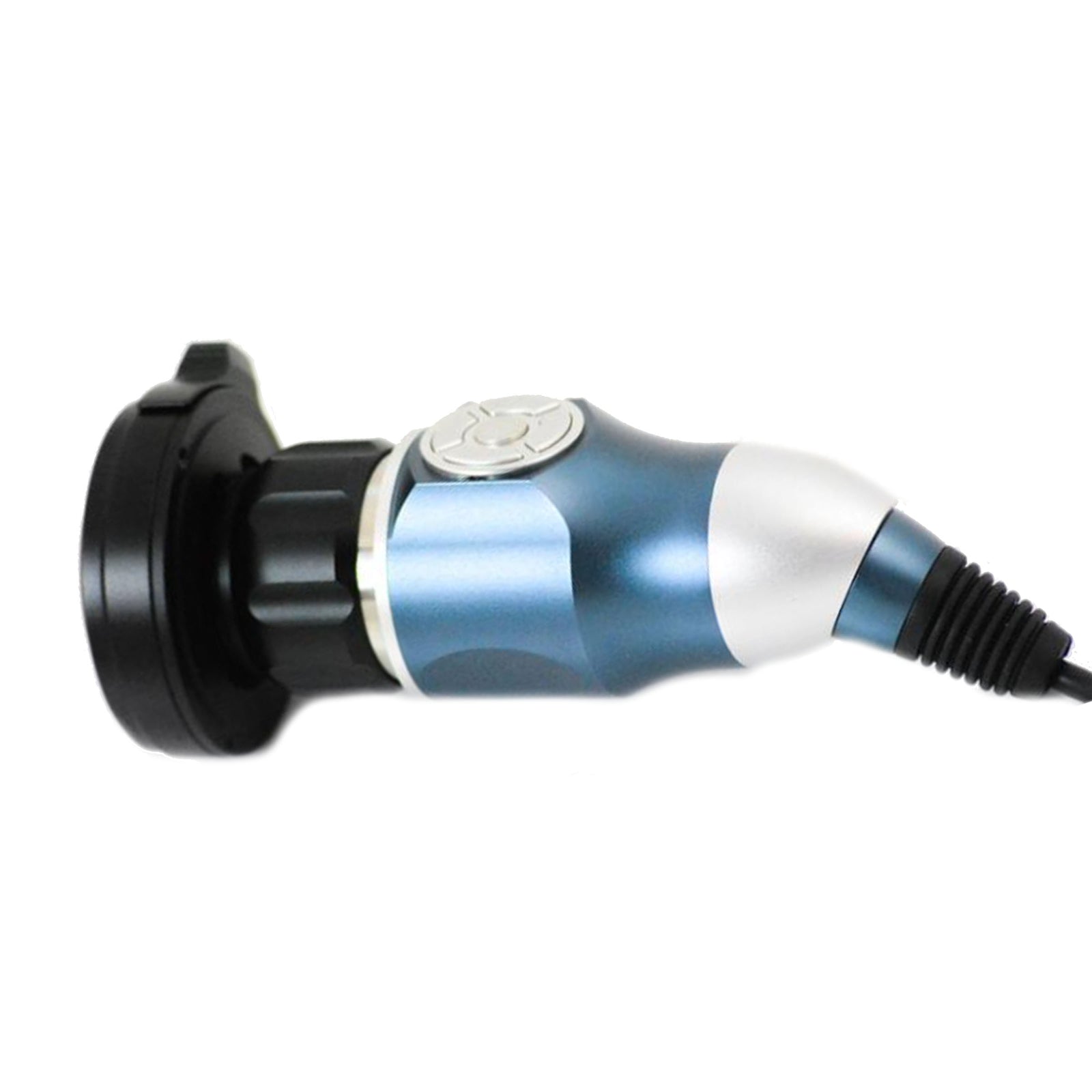
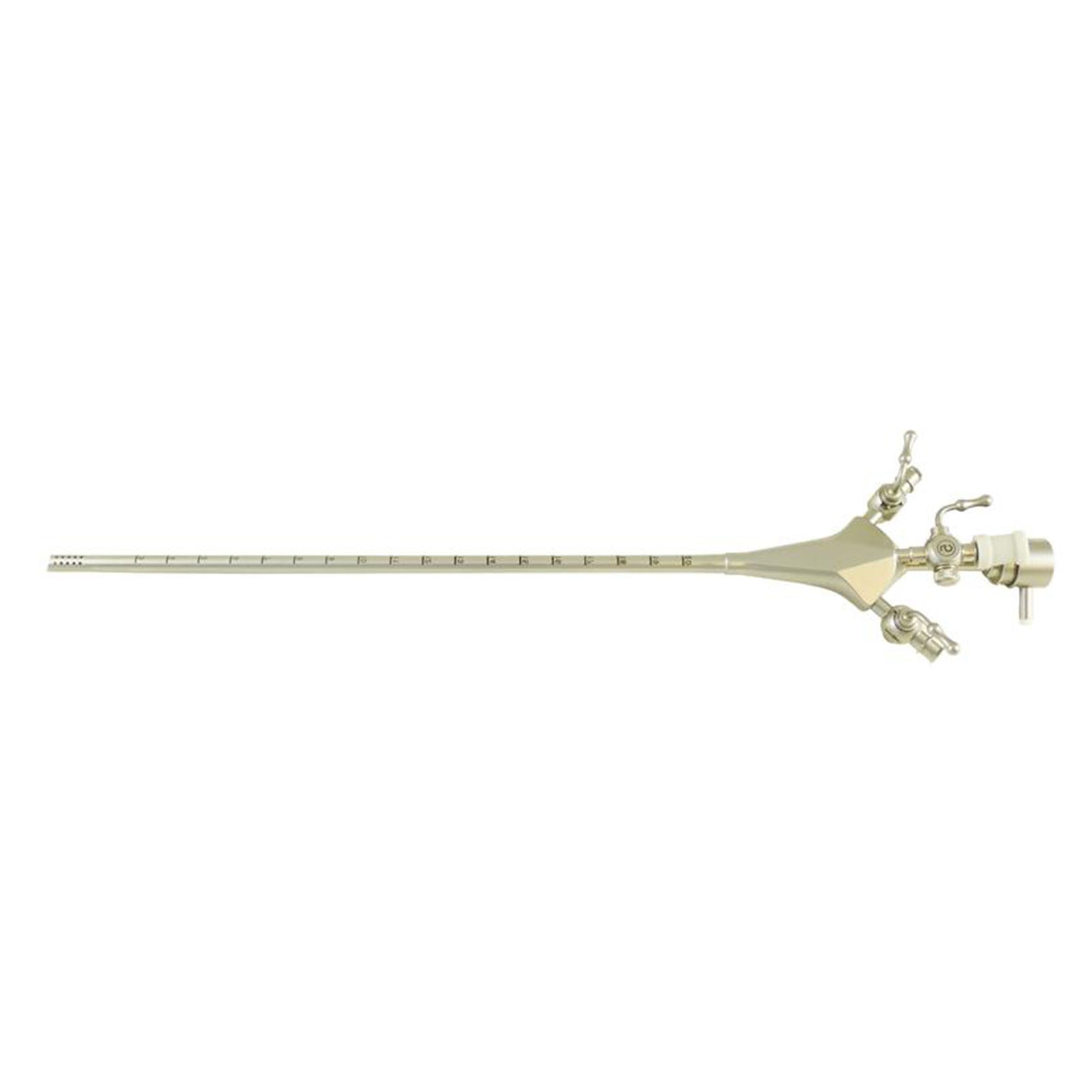
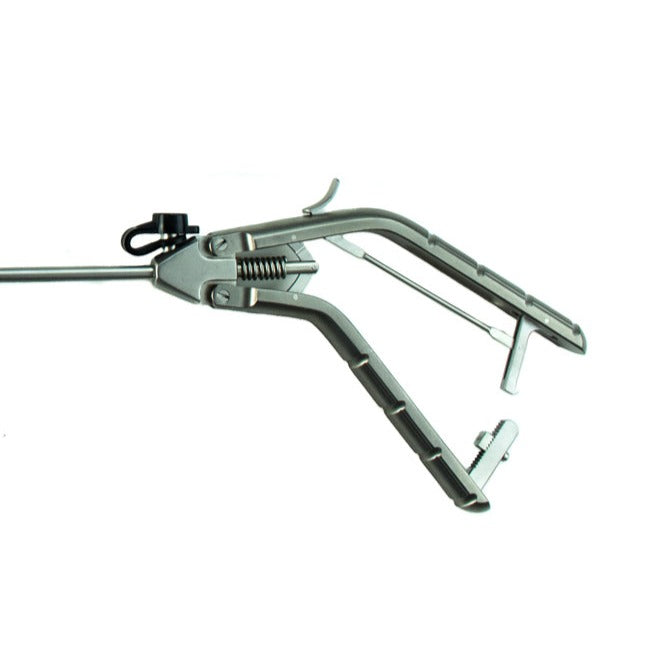
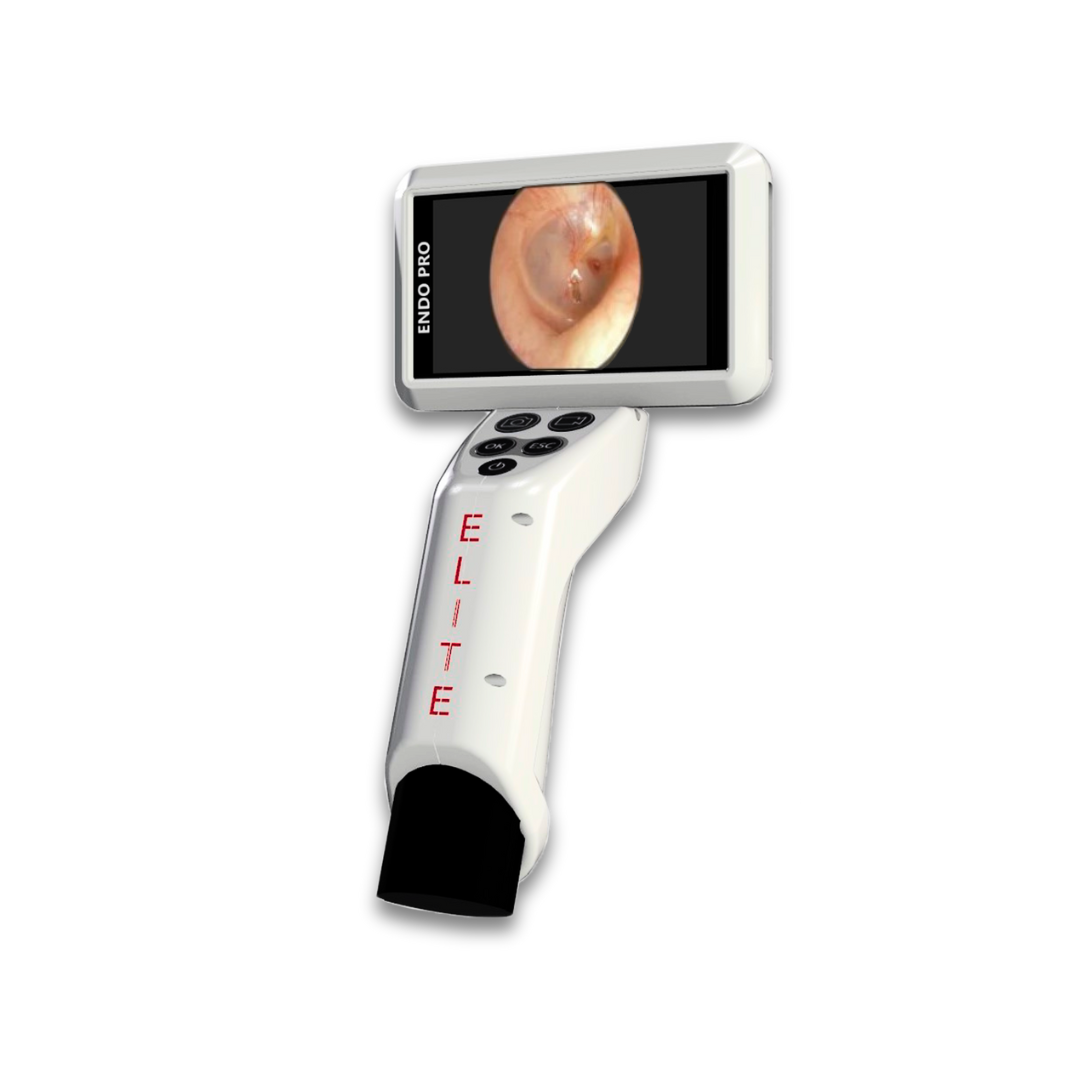
Access and inventory breadth are also central to this evolution. Traditional distributors tend to prioritize high-volume, standardized products, which can limit availability of niche or emerging instruments. In contrast, direct-to-buyer models expand visibility across a wider range of surgical tools, including flexible endoscopy instruments, HD imaging devices, and procedure-specific accessories. This broader access can help surgical teams match equipment more precisely to clinical requirements.
Quality assurance and product support remain key considerations in evaluating these alternatives. Medical-grade instruments must withstand repeated sterilization cycles while maintaining performance consistency. Platforms such as Endoscopy Superstore position themselves around supplying instruments designed for durability and long-term use, supported by technical documentation and access to specialized support resources. This combination of product specification and operational guidance is increasingly important as hospitals manage tighter margins and higher utilization rates.
Pricing transparency is another defining feature of this emerging procurement model. Unlike traditional distribution systems, which may include shipping, handling, or service-related fees that are not always immediately visible, direct platforms typically present upfront pricing structures. This enables more accurate budgeting and reduces variability in total acquisition costs across departments and facilities.
As healthcare systems continue to face pressure to improve efficiency while controlling costs, procurement strategies are evolving accordingly. The rise of direct-to-buyer models reflects a broader shift toward digitization and transparency in medical supply chains. While traditional distributors remain a foundational part of the ecosystem, hospitals are increasingly exploring alternative sourcing channels that offer greater visibility, responsiveness, and cost control.
The result is not simply a change in purchasing method, but a broader redefinition of how surgical instruments are accessed, evaluated, and integrated into clinical workflows.
Experience a smarter way to source endoscopy equipment—all in one place.
✔ Wide selection of trusted endoscopy brands
✔ Competitive pricing without compromising quality
✔ Fast, reliable access to the tools you need—when you need them
👉 Explore how EndoPro® 3D can transform your surgical technique.

Disclaimer: All product names, logos, brands, and trademarks displayed on this website are the property of their respective owners and are used solely for informational and descriptive purposes. The appearance of any third-party trademarks does not imply any affiliation, endorsement, sponsorship, or authorization by the trademark holder. This ecommerce store and its product listings operate independently and are not affiliated with, authorized by, endorsed by, or officially connected to KARL STORZ, Medtronic, Olympus Corporation, Richard Wolf GmbH, Stryker Corporation, or any other trademark owners referenced on this site, including their respective subsidiaries or affiliates.