



Inside PNI’s Decade-Long Mission to Redefine Neurosurgery


When neurosurgeons and fellows from across the globe gathered at the Pacific Neuroscience Institute in March for the 2026 Pacific Rim Master Class, they were not just attending a weekend seminar on advanced skull base visualization. They were stepping into the operational hub of an institution celebrating a decade of structural disruption, a milestone formally marked that same month by the release of their anniversary retrospective film outlining ten years of innovation. Two months after the lab stations have been cleared, the broader picture of what the institute has spent the last ten years building comes into sharp focus. Currently ranked in the nation's top 1% of neurology and neurosurgery programs by U.S. News and World Report, the organization has evolved from a regional center of excellence into a definitive global destination for the prompt treatment of complex cranial and neurological conditions. The masterclass was not an isolated educational event, but rather an export mechanism for a philosophy that has been validated through years of clinical data.
In traditional neurosurgery, complex skull base and tumor resections historically equated to highly invasive craniotomies, intensive care unit stays, and weeks of arduous recovery. The institutional directive over the last ten years has been to systematically dismantle that timeline through the deployment of minimally invasive keyhole and endoscopic techniques. The clinical metric of success here is not just a clean post-operative scan, it is the clock on the wall. Patients tend to recover very quickly, typically spending not more than two days in the hospital as the team builds breakthrough treatments that bring people home sooner.
This forty-eight hour discharge window for complex brain surgery is the direct result of the exact technical nuances taught at the March masterclass, such as the supraorbital eyebrow craniotomy and transorbital endoscopic approaches. By training surgeons to utilize narrow, natural anatomical pathways rather than large open corridors, the institute is quite literally shrinking the footprint of neurosurgical trauma. The ultimate validation of this technique does not live in a textbook, it lives in the words of a patient returning home ahead of schedule who shared that they are finally back, noting that the care provided has given them tremendous hope and changed their life completely.
A top-down view of the organization reveals an architecture explicitly designed to break down the traditional walls of medicine. The institute operates on the belief that extraordinary care for the brain requires a cross-pollination of disciplines that rarely speak to one another at conventional hospitals. While the March course focused heavily on neurosurgical and neuro-ophthalmologic collaboration for skull base pathology, the multi-disciplinary ecosystem stretches far wider. The same institutional infrastructure that supports advanced carotid artery injury training using depth-enhanced imaging also houses breakthroughs in neuro-otology and audiology.
For instance, while adult tumor resections were being simulated in one corner of the institute, multi-specialty teams were elsewhere providing a seven-month-old infant born with profound sensorineural hearing loss the gift of sound. Whether navigating the confined corridors of the ventral skull base or restoring early pediatric development, the mandate remains identical, prioritizing absolute precision combined with an unyielding commitment to patient quality of life.
The leadership has made it clear that keeping their data behind closed doors violates their core mission. Over the past decade, the institute has established a relentless cadence of academic and clinical output. This includes consistently pushing the boundaries of medical science by publishing clinical outcomes and landmark surgical series in the world's leading peer-reviewed medical journals, actively driving the conversation forward by leading both national and international symposia, and training elite fellows who travel from every corner of the globe to absorb these unique surgical algorithms before returning to implement them in their home countries.
As the institution looks past its ten-year milestone, the integration of advanced technology, rigorous data collection, and hands-on education points toward a future where maximal tumor removal and minimal lifestyle disruption are no longer mutually exclusive. The true legacy of the 2026 Pacific Rim Master Class will not be measured by the certificates handed out in March. It will be measured over the next decade, in hospitals worldwide, as the global fellows trained here send their own patients home to their families in forty-eight hours or less, giving them back not just their health, but their lives.
For medical professionals and prospective fellows looking to explore these technical approaches or participate in future educational programs, the Pacific Neuroscience Institute provides a comprehensive array of digital and clinical resources. Detailed information regarding upcoming symposia, bioskills lab schedules, and the specialized one year neurosurgical fellowship in minimally invasive keyhole and endoscopic endonasal surgery can be accessed through the provider resources section at pacificneuro.org. The platform also offers direct pathways for anatomical dissection course registrations and updates on global training initiatives.
Beyond educational opportunities, those interested in tracking the decade of peer reviewed data, publication metrics, and clinical outcome studies led by the surgical faculty can access the institute's dedicated research library online. For patients and families navigating complex neurological diagnoses, the Pacific Brain Tumor Center and the Pacific Pituitary Disorders Center provide public educational guides, animated treatment explainers, and comprehensive information on multi specialty clinical care. Direct inquiries regarding patient appointments or institutional collaborations can be facilitated through the centralized contact channels listed on their main website.
Learn More & Resources
To dive deeper into the institutional milestones and the ongoing evolution of minimally invasive care, explore these resources online:
- Learn more about the advanced research, global training modules, and clinical programs happening live at the Pacific Neuroscience Institute.
- Discover how a commitment to research and surgical innovation shaped the organization over the past ten years via the official anniversary overview film at pacificneuro.org.
References
- Pacific Neuroscience Institute. A New Highlight Film: Celebrating 10 Years of Excellence at PNI. PNI News. published March 20, 2026.
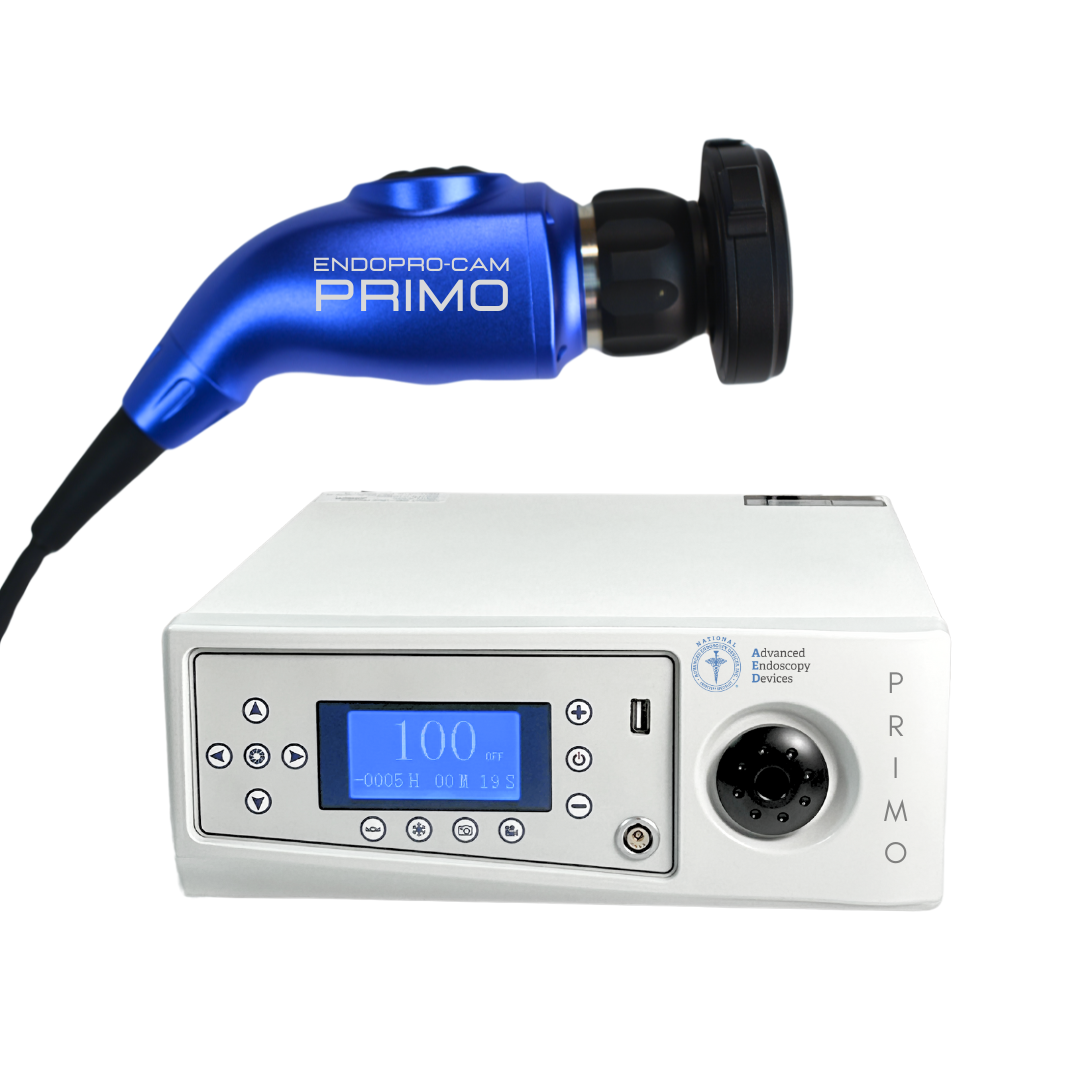
Experience a smarter way to source endoscopy equipment—all in one place.
✔ Wide selection of trusted endoscopy brands
✔ Competitive pricing without compromising quality
✔ Fast, reliable access to the tools you need—when you need them
👉 Explore how EndoPro® 3D can transform your surgical technique.

Disclaimer: All product names, logos, brands, and trademarks displayed on this website are the property of their respective owners and are used solely for informational and descriptive purposes. The appearance of any third-party trademarks does not imply any affiliation, endorsement, sponsorship, or authorization by the trademark holder. This ecommerce store and its product listings operate independently and are not affiliated with, authorized by, endorsed by, or officially connected to KARL STORZ, Medtronic, Olympus Corporation, Richard Wolf GmbH, Stryker Corporation, or any other trademark owners referenced on this site, including their respective subsidiaries or affiliates.