



France 1994: The Summer Surgery Went Global


The early summer of 1994 marked a profound shift in human integration. That June, the United States hosted a transformative World Cup, proving that no discipline, whether athletic or scientific, could continue to survive in disjointed, localized pockets.
The climax of this global stage arrived on the pitch, where an Italian squad led by the defensive brilliance of Paolo Maldini and the genius of Roberto Baggio clashed with a Brazilian side powered by the relentless strike partnership of Romário and Bebeto. Decided by a dramatic penalty shootout that crowned Brazil, this standoff placed both footballing giants at the center of the world's attention. Yet, their connection would soon transcend sports. Decades later, both regions would stand as foundational pillars of a completely different global network conceptualized that very same summer, establishing an enduring bridge of innovation between Europe and the Americas.
At that exact historical juncture in June of 1994, in Strasbourg, France, Jacques Marescaux, Didier Mutter, and Michel Vix founded IRCAD. For over a century, surgery had been limited by isolated sparks of genius operating in analog silos, from Alejandro Posadas filming the first surgery in Buenos Aires in 1899, to Kurt Semm fighting institutional ridicule in Munich to prove the viability of keyhole surgery. To shatter these walls, the Strasbourg founders sought to "transform surgery by creating a place where innovation and training would be inseparable." By bringing computer scientists, roboticists, and clinical surgeons under one roof, they recognized that the digital age demanded a unified, globally connected network.
Thirty-two years later, this model has matured into a synchronized network of global mirror institutes. Brazil, the 1994 champion, now hosts IRCAD Latin America with massive training centers in Barretos and Rio de Janeiro. Italy's elite clinical pioneers drive the network's advanced pediatric training, while Argentina, the home of early pioneer Alejandro Posadas, stands as a major partner in this Latin American clinical exchange. Globally, the footprint has expanded to IRCAD Taiwan in Lukang, IRCAD India in Indore, and IRCAD Africa in Kigali, Rwanda, alongside IRCAD North America in Charlotte, North Carolina.
This network directly solves the crushing economic bottlenecks of modern digital medicine. Because advanced robotic platforms cost tens of millions of dollars and require frequent overhauls, isolated hospitals cannot keep pace. To bridge this gap, IRCAD operates an excubator model. Rather than locking proprietary software inside a single corporate silo, Strasbourg aggregates a platform of 42 distinct surgical robots representing every major manufacturer under one roof, a model replicated across its international hubs. This vendor independence allows researchers to test and validate software across entirely different robotic architectures simultaneously, transferring the refined technology back to industry partners for mass global distribution.
The ultimate expression of this borderless research is the DISRUMPERE project, a Franco-Rwandan initiative spearheaded by teams at IRCAD France and IRCAD Africa in Kigali, Rwanda. The project tackles a classic surgical limitation: organs shifting dynamically with a patient’s breath. The system uses artificial intelligence to reconstruct a conventional, low-cost 2D ultrasound feed into a dynamic, real-time 3D vascular map. Using a dual-armed robotic platform, one robotic arm autonomously tracks the target organ while the second arm micro-adjusts an ablation instrument, destroying deep liver or kidney tumors with millimeter accuracy. This allows non-experts in underserved regions to deliver life-saving care that once required highly specialized operators.
By fusing artificial intelligence with flexible mechanics, this open network resolves the core challenge of modern globalization: ensuring that elite medical breakthroughs do not remain restricted by geography or wealth. Ultimately, the network's greatest achievement is the democratization of advanced surgical training. Much like the World Cup, which unites diverse nations to elevate the standard of the global game, bringing international surgeons together under a shared, borderless mission fundamentally changes human health for the better. The lineage of innovation that crystallized in the summer of 1994 has proven that when we collaborate on a truly unified field, the future of medicine belongs to everyone.
Learn More & Resources
To dive deeper into the historical evolution of modern surgical training, the rise of computer-assisted surgery, and the origins of the world's most advanced robotic medical networks, explore these resources online:
-
Read the editorial update and retrospective on IRCAD's three decades of continuous development, global mirror institutes, and clinical milestones through IRCAD France.
-
Explore how the landmark 1994 tournament in the United States served as a cultural catalyst that forever transformed the landscape of global soccer through the BBC Sport Interactive Special.
References
-
Marescaux, J. IRCAD: Continuous development to transform surgery worldwide. IRCAD Careers & News. published July 7, 2026.
-
Johnston, N. USA 94: The World Cup that ‘changed everything’. BBC Sport. published June 12, 2024.
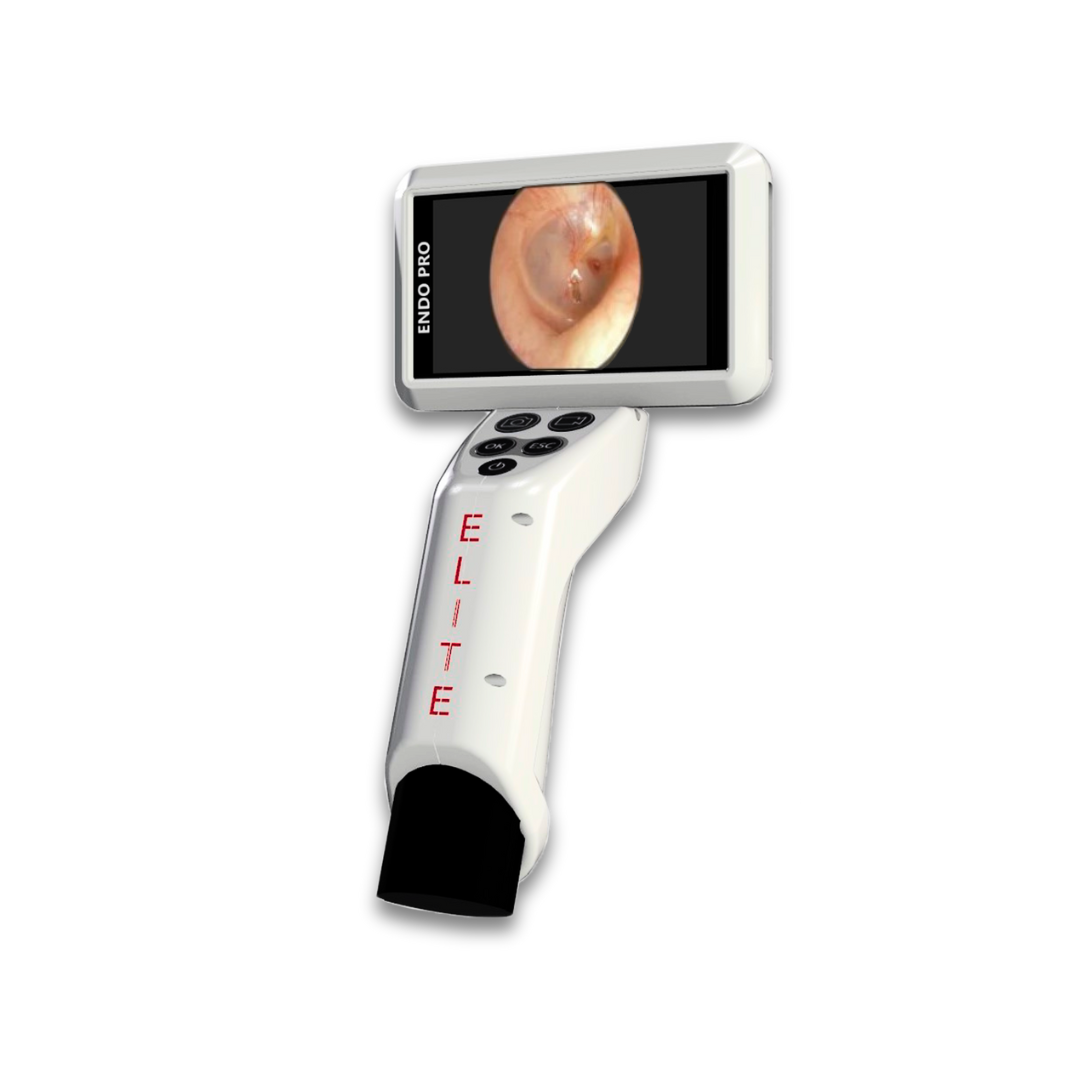
Experience a smarter way to source endoscopy equipment—all in one place.
✔ Wide selection of trusted endoscopy brands
✔ Competitive pricing without compromising quality
✔ Fast, reliable access to the tools you need—when you need them
👉 Explore how EndoPro® 3D can transform your surgical technique.

Disclaimer: All product names, logos, brands, and trademarks displayed on this website are the property of their respective owners and are used solely for informational and descriptive purposes. The appearance of any third-party trademarks does not imply any affiliation, endorsement, sponsorship, or authorization by the trademark holder. This ecommerce store and its product listings operate independently and are not affiliated with, authorized by, endorsed by, or officially connected to KARL STORZ, Medtronic, Olympus Corporation, Richard Wolf GmbH, Stryker Corporation, or any other trademark owners referenced on this site, including their respective subsidiaries or affiliates.