



The 1990s UAB Duo That Retired Plastic Surgery’s Longest Incision


Until the early 1990s, elevating an aging brow demanded plastic surgery’s most invasive trade-off. The standard coronal browlift required a massive ear-to-ear incision across the top of the skull, peeling back the scalp to remove a strip of skin. While it lifted the brow, patients often suffered permanent scalp numbness, hair loss along the scar, and a raised hairline. Traditionalists insisted that true structural elevation was impossible without cutting open the entire head.
Two surgeons at the University of Alabama at Birmingham refused to accept that limitation. Innovation was already in UAB’s DNA, where Dr. Basil Hirschowitz had introduced the flexible fiber-optic endoscope decades earlier. In 1985, Dr. Luis O. Vasconez arrived as Chief of Plastic Surgery at UAB after leading the program at the University of California, San Francisco. Joining forces with Dr. Grady B. Core, Vasconez asked a simple question. Why strip the entire scalp when you can achieve the exact same anatomical release through a keyhole?
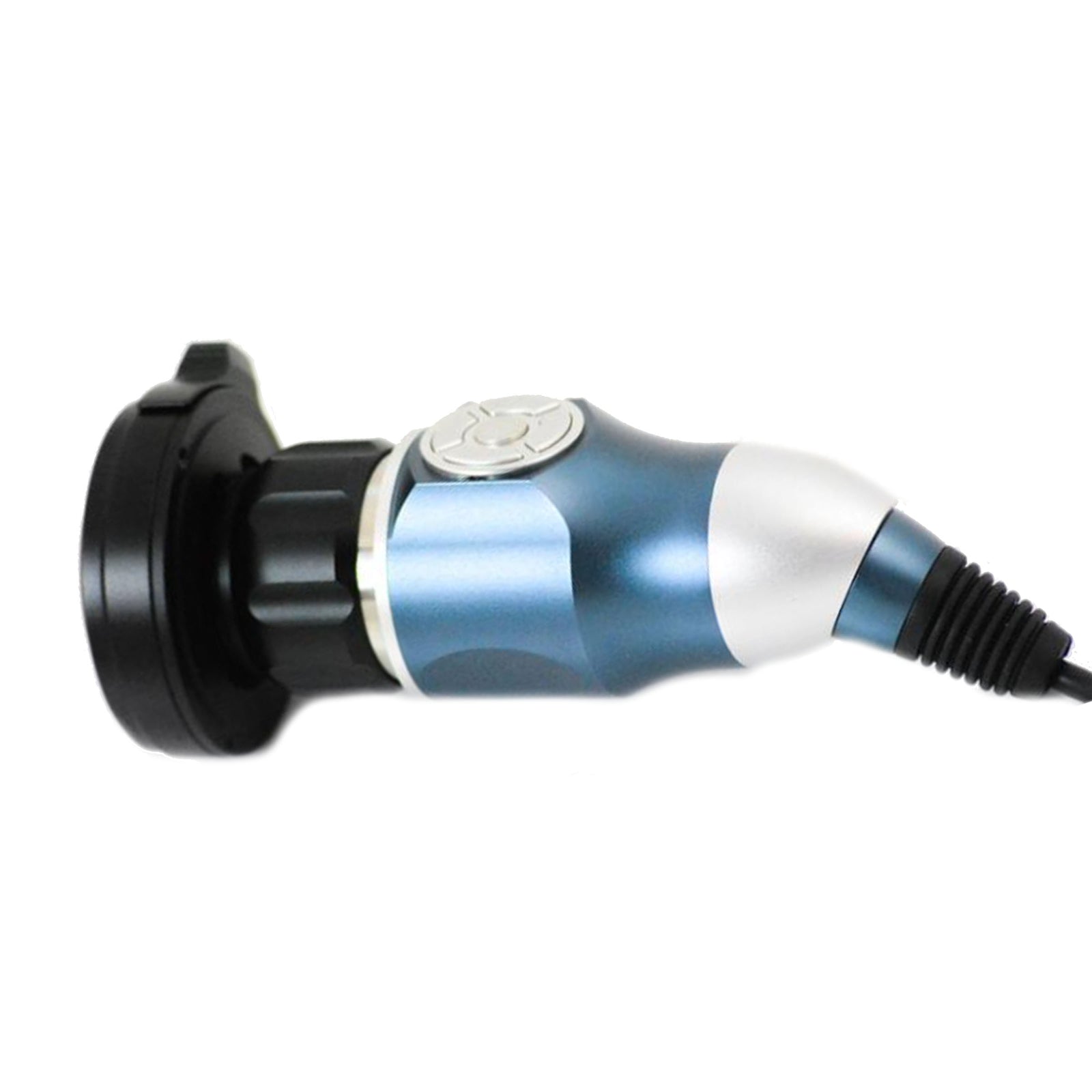
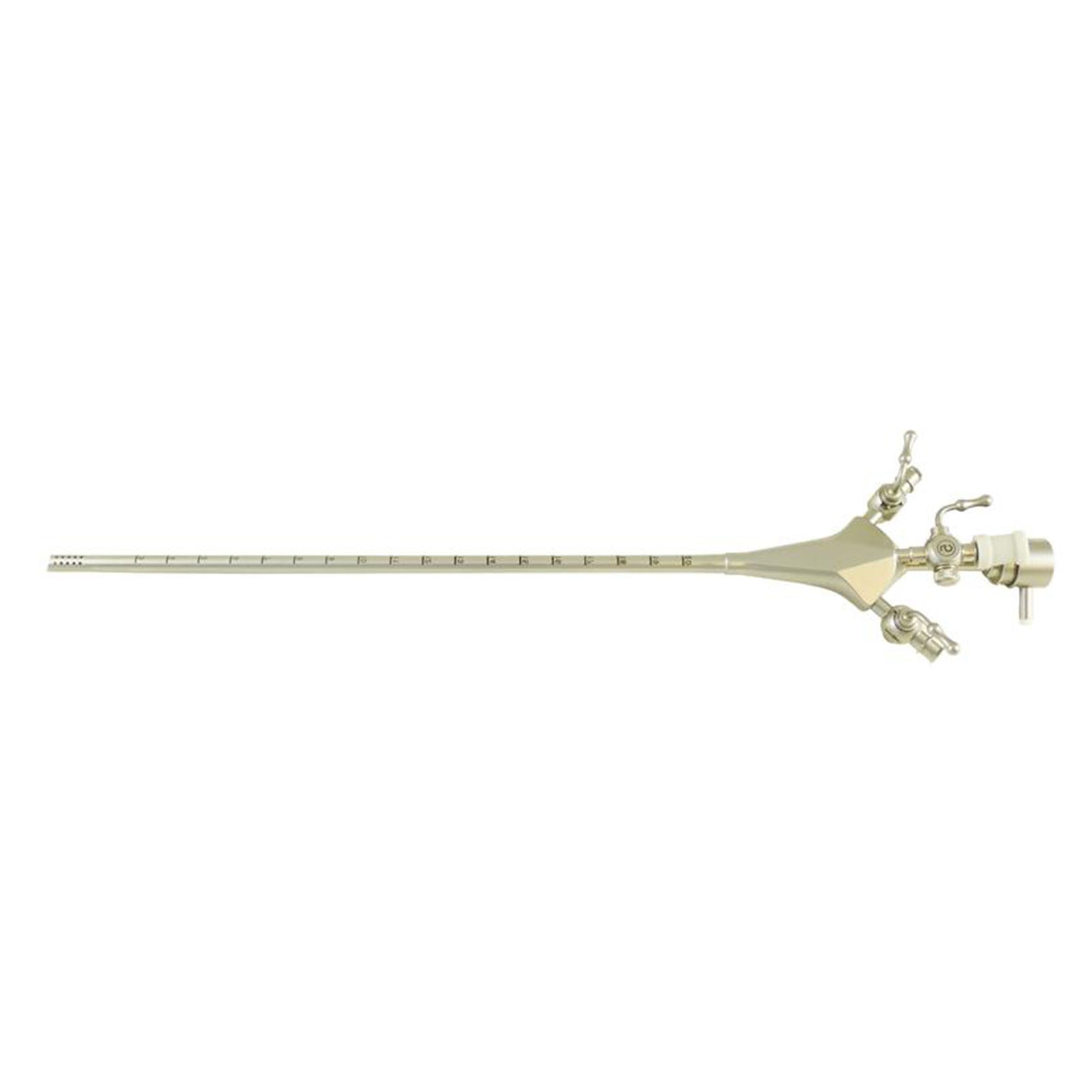
Between 1992 and 1994, Vasconez and Core published their groundbreaking clinical findings, proving that complete forehead rejuvenation could be accomplished through five tiny incisions hidden behind the hairline. Guided by an endoscope passed beneath the scalp, they precisely released the periosteum at the arcus marginalis and weakened the muscles responsible for deep frown lines. The ear-to-ear scar disappeared, scalp numbness was virtually eliminated, and recovery times plummeted.
This timing coincided perfectly with the broader minimally invasive revolution. Rather than hoarding the breakthrough, Vasconez used UAB as an international incubator, empowering a new generation of plastic surgeons to redefine the field worldwide. Trainees like Dr. Renato Saltz carried these endoscopic principles into deep plane facial rejuvenation, Dr. Nazim Çerkeş brought structural precision to global aesthetic leadership from Istanbul, and Dr. Jorge de la Torre expanded the surgical and academic torch at UAB. By mentoring leaders who would shape aesthetic surgery across continents, Vasconez ensured his keyhole philosophy became a global movement.
Yet the true measure of Vasconez’s legacy extends far beyond technical milestones. Driven by a commitment to global collaboration, he co-founded Medical Mission Ecuador alongside his brother Dr. Henry Vasconez and sister Beatriz. Over three decades, they returned annually to Ambato, performing more than seventeen hundred free surgeries for underserved children while training local surgical teams. His journey proves that the most lasting innovations rely on timing, global mentorship, and a deep dedication to human care.
Learn More & Resources
To dive deeper into the historical evolution of facial plastic surgery, the keyhole endoscopic revolution, and the global legacy of Dr. Luis Vasconez, explore these resources online:
- Review the initial clinical investigation and landmark cadaver studies on minimally invasive forehead rejuvenation through PubMed.
- Examine the clinical evolution, arcus marginalis release mechanics, and surgical advantages of keyhole brow lifting via PubMed.
- Read about the academic origins, chief leadership, and residency training history at the UAB Department of Surgery.
- Explore the historical foundation and pioneer faculty of one of the nation's oldest plastic surgery programs through UCSF Plastic & Reconstructive Surgery.
- Learn about traditional coronal approaches versus modern endoscopic and temporal forehead techniques through Stanford Medicine Facial Plastic & Reconstructive Surgery.
- Discover the three-decade humanitarian legacy, surgical missions, and pediatric care programs established by the Vasconez family through Medical Mission Ecuador USA.
References
- Vasconez, L. O., Core, G. B., Gamboa-Bobadilla, M., Guzman, G., Askren, C., & Yamamoto, Y. Endoscopic techniques in coronal brow lifting. Plastic and Reconstructive Surgery. published November 1994.
- Holck, D. E., Ng, J. D., Wiseman, J. B., & Foster, J. A. The endoscopic browlift for forehead rejuvenation. Seminars in Ophthalmology. published September 1998.
- UAB Division of Plastic Surgery. About Us: History & Faculty Leadership. UAB Heersink School of Medicine. accessed July 2026.
- UCSF Division of Plastic and Reconstructive Surgery. History of the Program. UCSF Department of Surgery. accessed July 2026.
- Most, S. Brow and Forehead Lift Procedural Overview. Stanford Medicine Head & Neck Surgery. accessed July 2026.
- Medical Mission Ecuador USA. Our Story & History in Ambato. Medical Mission Ecuador. accessed July 2026.
Experience a smarter way to source endoscopy equipment—all in one place.
✔ Wide selection of trusted endoscopy brands
✔ Competitive pricing without compromising quality
✔ Fast, reliable access to the tools you need—when you need them
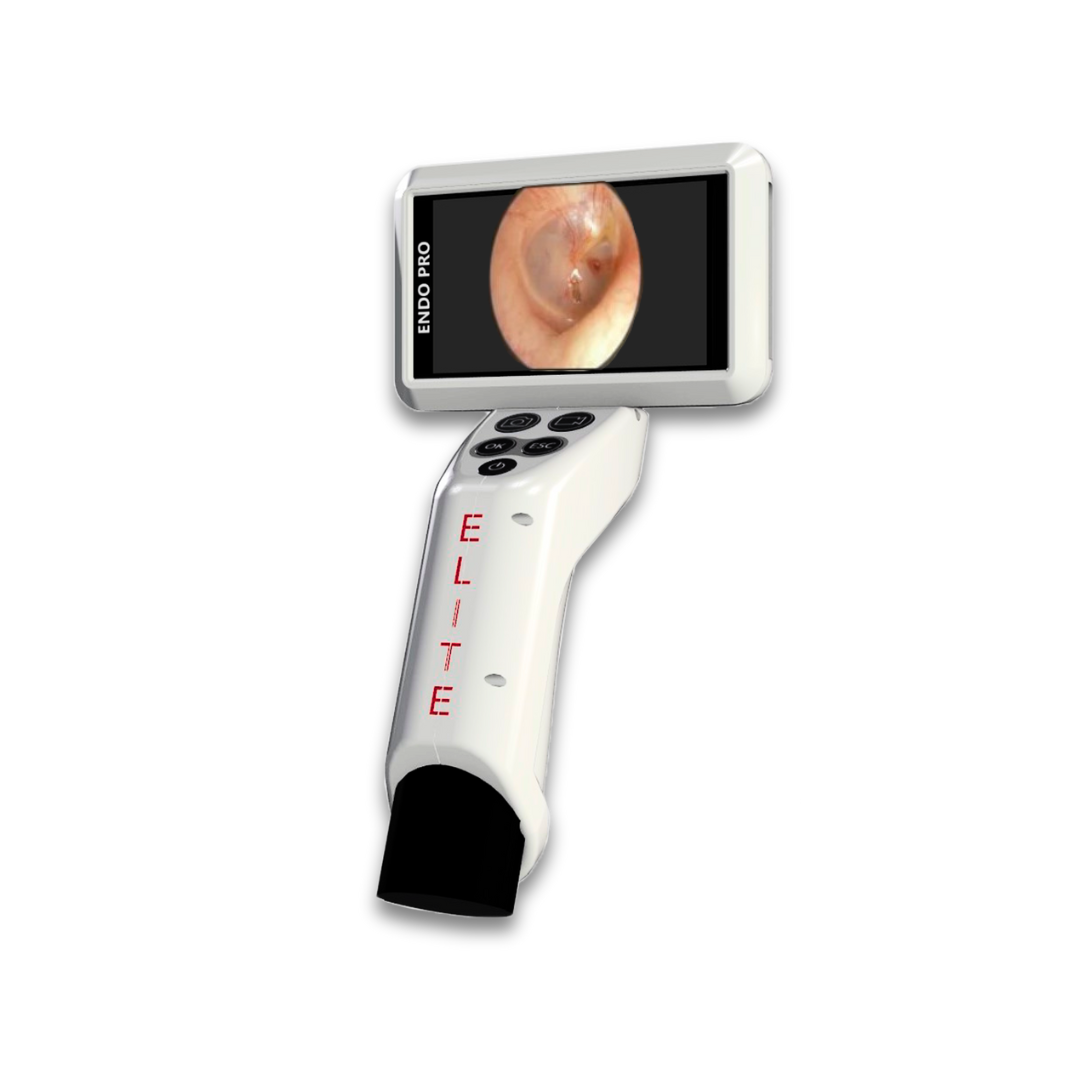
👉 Explore how EndoPro® 3D can transform your surgical technique.

Disclaimer: All product names, logos, brands, and trademarks displayed on this website are the property of their respective owners and are used solely for informational and descriptive purposes. The appearance of any third-party trademarks does not imply any affiliation, endorsement, sponsorship, or authorization by the trademark holder. This ecommerce store and its product listings operate independently and are not affiliated with, authorized by, endorsed by, or officially connected to KARL STORZ, Medtronic, Olympus Corporation, Richard Wolf GmbH, Stryker Corporation, or any other trademark owners referenced on this site, including their respective subsidiaries or affiliates.