





Del laboratorio al quirófano: Innovación en el Centro NeuroTraIn de Stanford


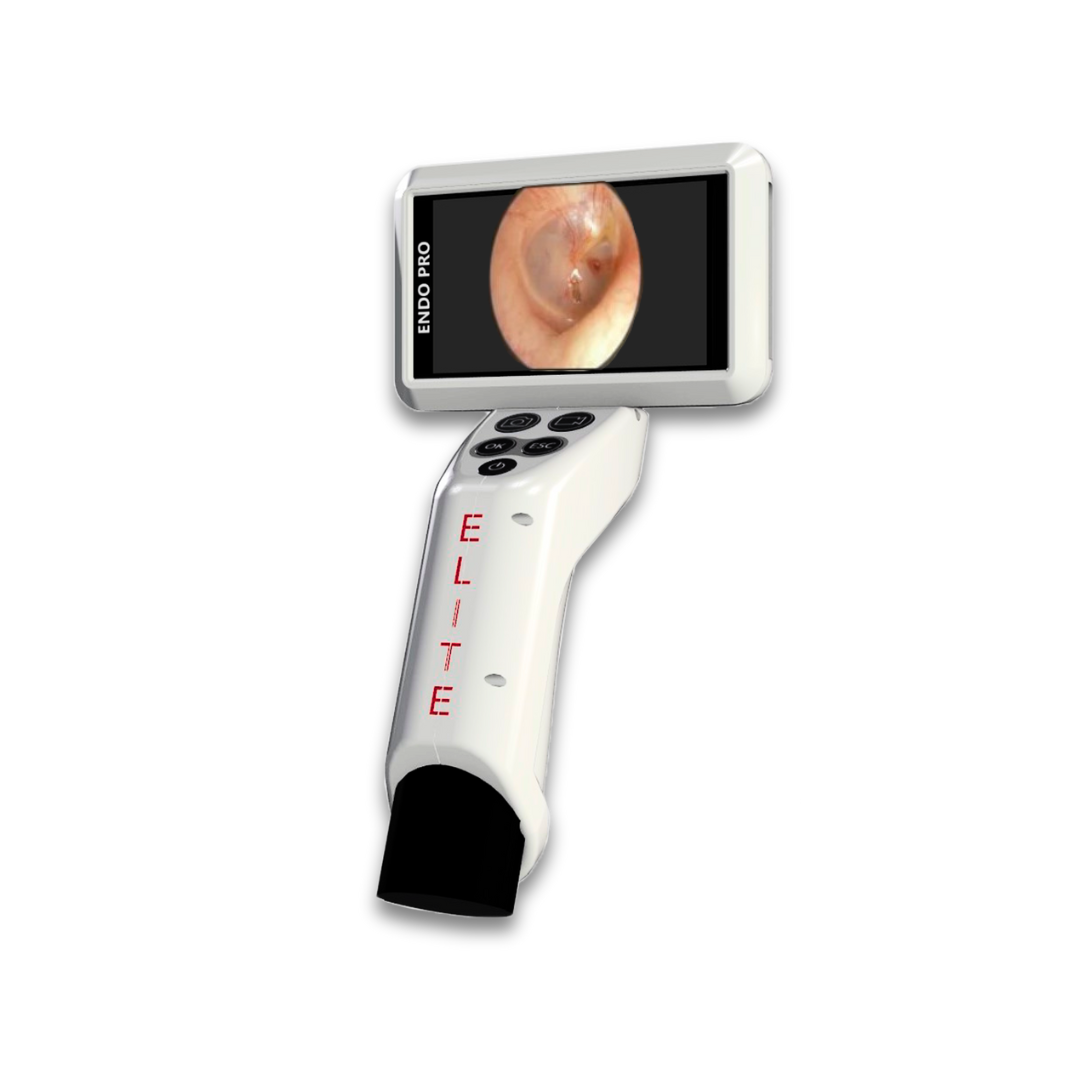
La innovación en el Centro de Innovación y Capacitación Neuroquirúrgica de Stanford (NeuroTraIn) siempre se ha centrado en una cosa: trasladar la ciencia más avanzada directamente al quirófano. Esta cultura de avances clínicos abarca décadas, desde la invención del CyberKnife en 1994 hasta la creación del Metaverso Neuroquirúrgico en 2017. Ahora, ese legado da un salto gigantesco. El equipo de cirugía de base de cráneo del Dr. Juan Fernández-Miranda utilizó recientemente el sistema de visualización 3D EndoPro® en su laboratorio insignia, anclando una gira nacional por los principales programas clínicos de América del Norte y estableciendo un nuevo punto de referencia para el entrenamiento craneal complejo.
Esta sesión crucial en Stanford marca el último hito de la iniciativa, basándose en sesiones tempranas en el Pacific Neuroscience Institute y la UCSF, así como en colaboraciones posteriores con los equipos de la McMaster University y UHealth. Al introducir sistemáticamente la visualización estereoscópica avanzada a los principales educadores clínicos del continente, esta gira en curso eleva la capacitación quirúrgica colectiva a una escala mayor, posicionando a estas instituciones a la vanguardia absoluta de la educación. Demuestra que el futuro de la cirugía craneal compleja se basa en un enfoque unificado y tecnológicamente avanzado para la capacitación anatómica. Esto hace eco del espíritu colaborativo de líderes pasados como Gary Steinberg, quien impulsó una expansión sin precedentes de programas clínicos y de investigación, y Michael Lim, el actual presidente que continúa trasladando nuevos tratamientos sin problemas del laboratorio directamente a los pacientes.
La presentación en sí aprovechó los profundos recursos históricos de Stanford para enfatizar por qué la orientación espacial es tan críticamente importante al navegar por corredores operativos profundos y confinados. El equipo del Dr. Fernández-Miranda demostró cómo una comprensión de 360 grados de la anatomía de la base del cráneo, la neurosimulación compleja y la tractografía de las fibras de la sustancia blanca pueden mejorarse significativamente a través de vistas estereoscópicas avanzadas. Al aplicar el sistema 3D EndoPro® a las estaciones endoscópicas especializadas del laboratorio y a las pantallas de visualización de alta definición, los residentes y los becarios visitantes internacionales experimentaron una sensación realista de percepción de profundidad que la imagen 2D tradicional simplemente no puede replicar. Esta traducción inmediata de una conferencia anatómica a una simulación práctica mejorada en profundidad permite a los cirujanos modernos completar una capacitación avanzada y de alta fidelidad que contrasta drásticamente con los modelos clínicos básicos de principios del siglo XX.
En última instancia, la colaboración subraya una evolución más amplia de la industria donde la disciplina técnica, la tutoría experta y la visualización de vanguardia se desarrollan en conjunto. La huella global de Stanford, construida sobre una rica historia de bienvenida a becarios de investigación y académicos de todo el mundo en sus programas de capacitación, sirve como el escenario definitivo para este salto tecnológico. La introducción de estas plataformas 3D avanzadas no reemplaza los fundamentos milenarios de la disección microquirúrgica pionera de los maestros históricos, sino que los extiende a la era moderna, elevando el nivel de seguridad del paciente y excelencia educativa en todo el mundo.
Más información y recursos
Para profundizar en la filosofía traslacional de la cirugía de la base del cráneo y su continua evolución tecnológica, explore estos recursos en línea:
-
Obtenga más información sobre la investigación traslacional y los módulos de capacitación que se están llevando a cabo en vivo en el Centro de Innovación y Capacitación Neuroquirúrgica de Stanford.
- Descubra cómo un compromiso con la investigación y la innovación quirúrgica dio forma a un departamento desde sus raíces hasta convertirse en un centro de neurocirugía integral de primer nivel moderno a través de la Historia de la Neurocirugía de Stanford.
Referencias
-
Fernandez-Miranda JC. Del laboratorio al quirófano: Un paradigma traslacional para la cirugía compleja de la base del cráneo. Stanford NeuroTraIn Center Insights. Junio de 2026.
-
Escuela de Medicina de la Universidad de Stanford. Nuestra historia: Un legado de dedicación, investigación científica, educación e innovación. Sitio web del Departamento de Neurocirugía de la Universidad de Stanford. Consultado en junio de 2026.
Experimente una forma más inteligente de adquirir equipos de endoscopia, todo en un solo lugar.
✔ Amplia selección de marcas de endoscopia de confianza
✔ Precios competitivos sin comprometer la calidad
✔ Acceso rápido y fiable a las herramientas que necesita, cuando las necesita
👉 Explore cómo EndoPro® 3D puede transformar su técnica quirúrgica.

Disclaimer: All product names, logos, brands, and trademarks displayed on this website are the property of their respective owners and are used solely for informational and descriptive purposes. The appearance of any third-party trademarks does not imply any affiliation, endorsement, sponsorship, or authorization by the trademark holder. This ecommerce store and its product listings operate independently and are not affiliated with, authorized by, endorsed by, or officially connected to KARL STORZ, Medtronic, Olympus Corporation, Richard Wolf GmbH, Stryker Corporation, or any other trademark owners referenced on this site, including their respective subsidiaries or affiliates.