14 años de formación en otorrinolaringología en la Universidad de Utah
En el Laboratorio de Anatomía de la Universidad de Utah, el 14º Curso Anual de Disección de Cabeza y Cuello reunió a residentes y profesores para una sesión de capacitación de tres días basada en cadáveres, que abarcó rinología, oncología de cabeza y cuello y cirugía plástica facial. El curso refleja un cambio más amplio en la educación quirúrgica hacia modelos de capacitación integrados que combinan múltiples subespecialidades, manteniendo al mismo tiempo un enfoque en la precisión anatómica y la disciplina técnica.
Ahora en su decimocuarto año, el curso se ha convertido en una plataforma constante para la instrucción quirúrgica práctica. Su estructura alterna entre conferencias enfocadas y sesiones de disección extendidas, colocando el conocimiento y la ejecución en estrecha secuencia. Este formato refuerza la transición de la comprensión anatómica a la técnica operativa.
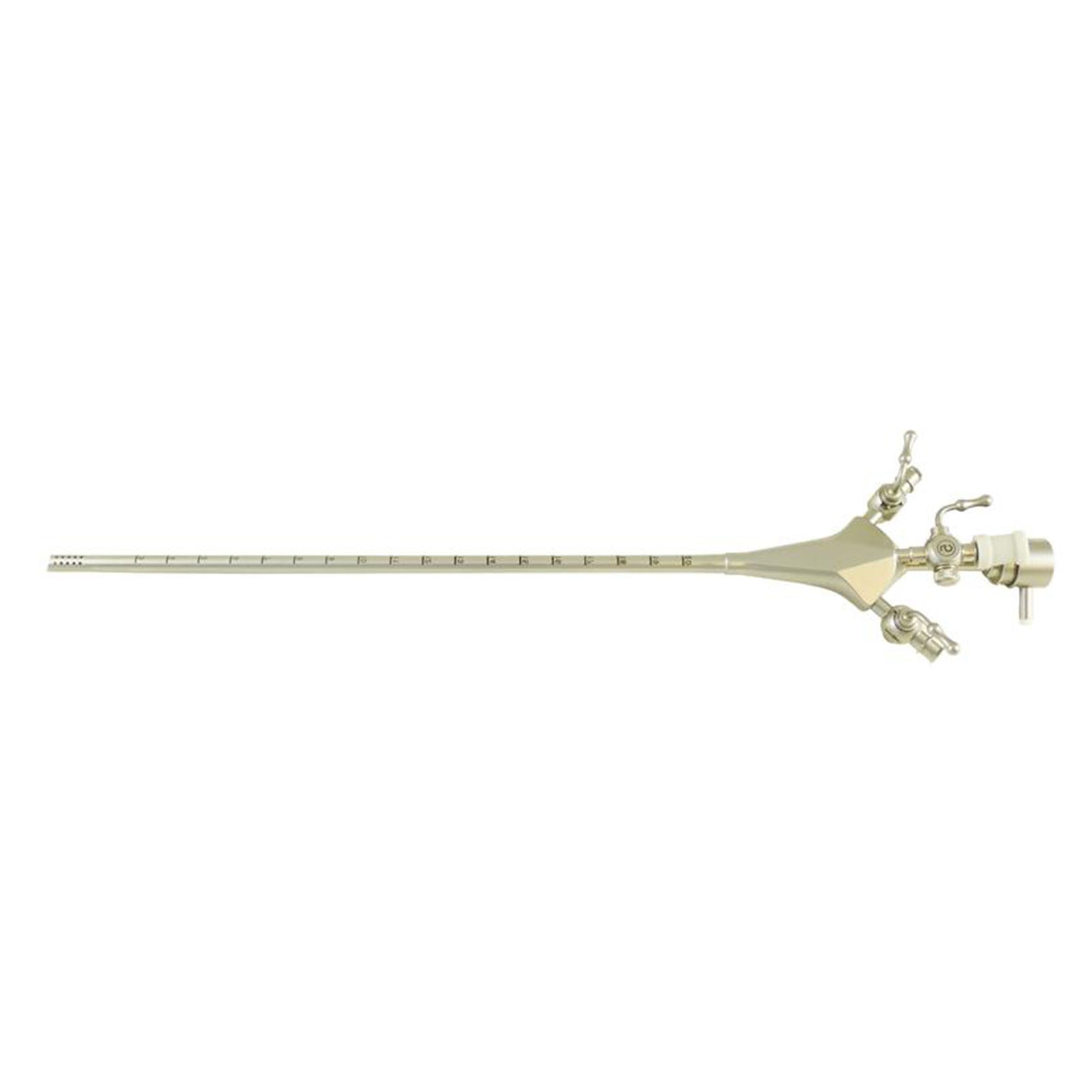
El primer día se centró en la rinología y la cirugía de la base del cráneo, con énfasis en los enfoques endoscópicos en espacios anatómicos confinados. Bajo la guía del Dr. Jeremiah Alt, Jefe de División de Rinología, los participantes progresaron desde la anatomía sinusal hasta enfoques más avanzados que involucran la fosa pterigopalatina y la base del cráneo. La repetición de procedimientos como la septoplastia y la sinusotomía apoyó el desarrollo de la conciencia espacial y el uso controlado de instrumentos.
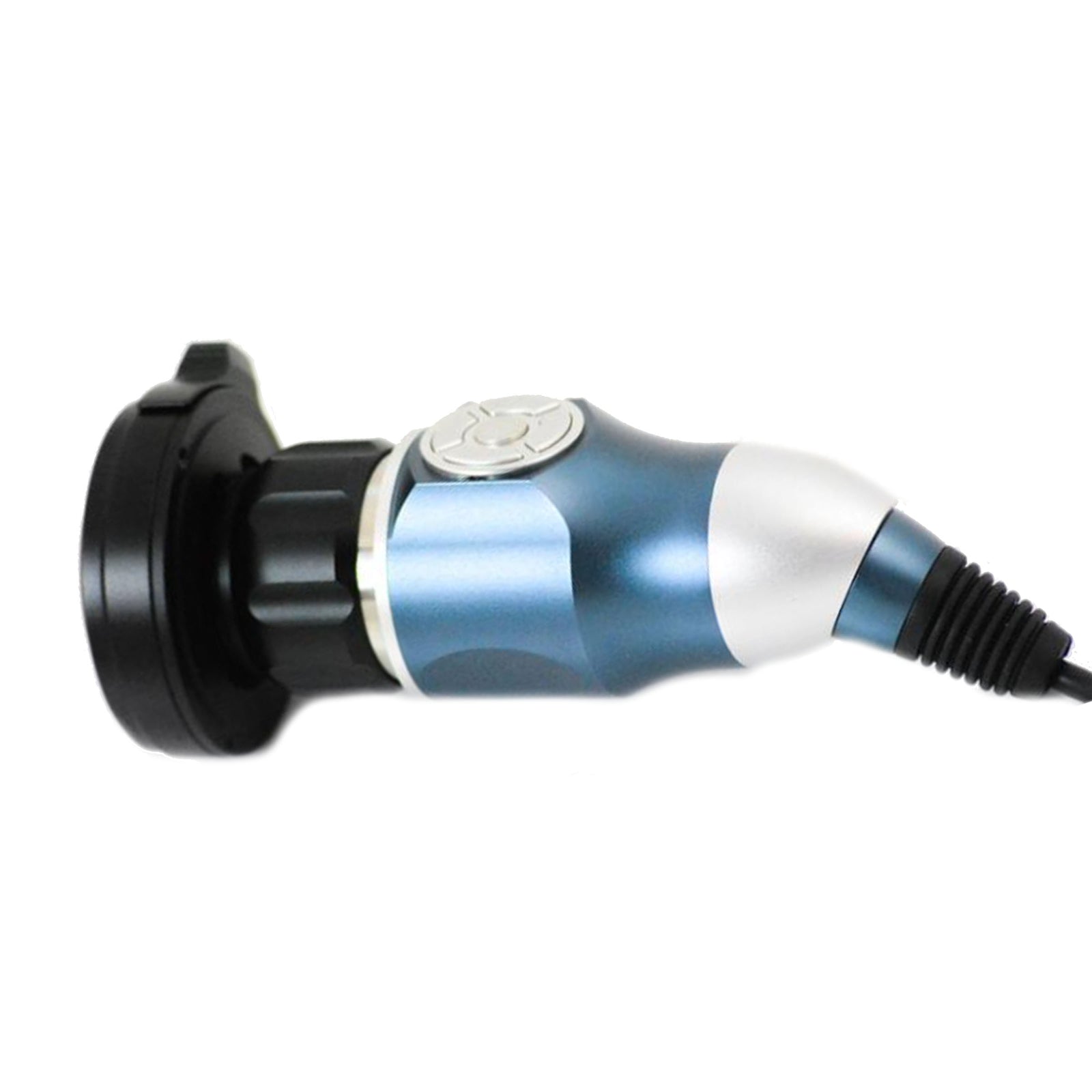
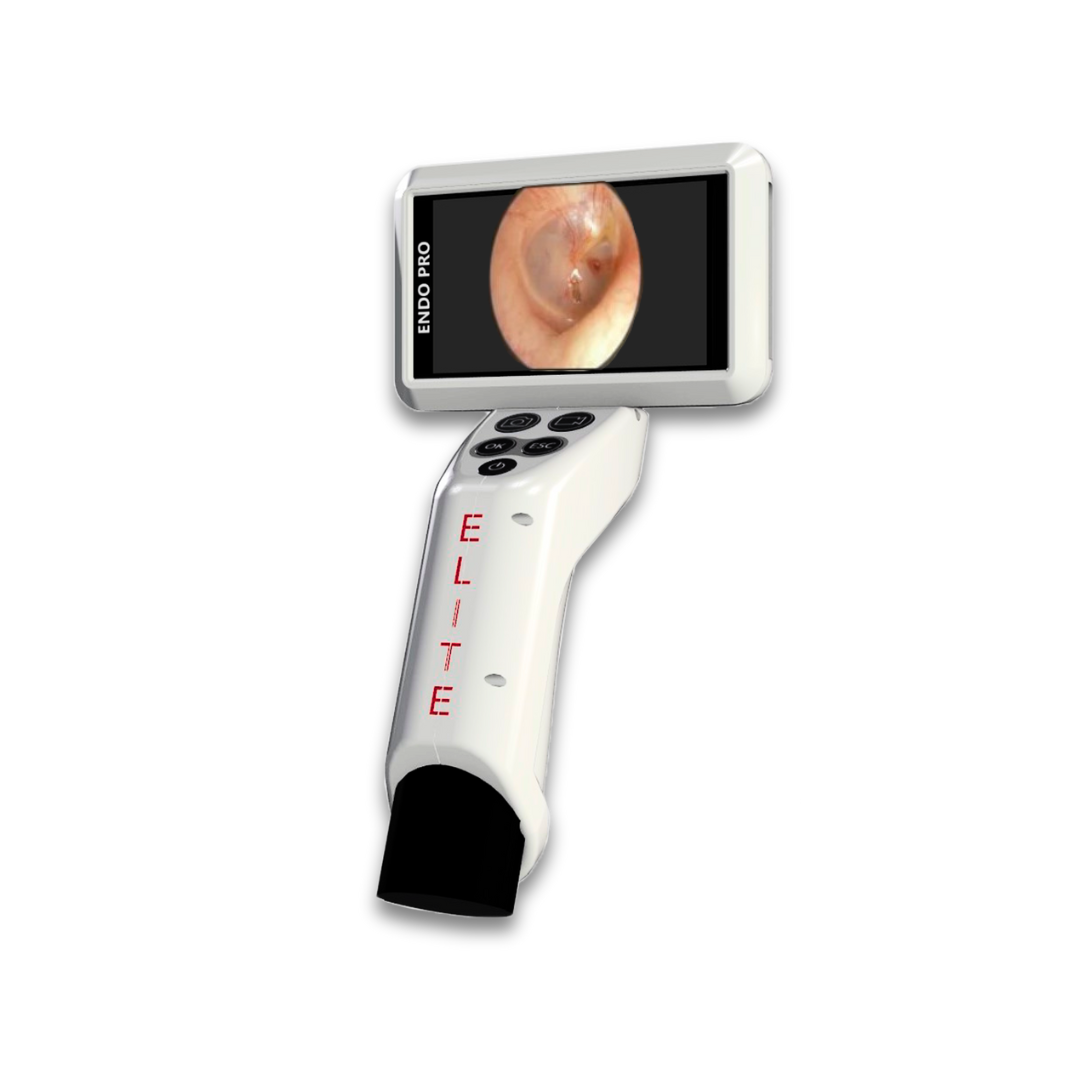
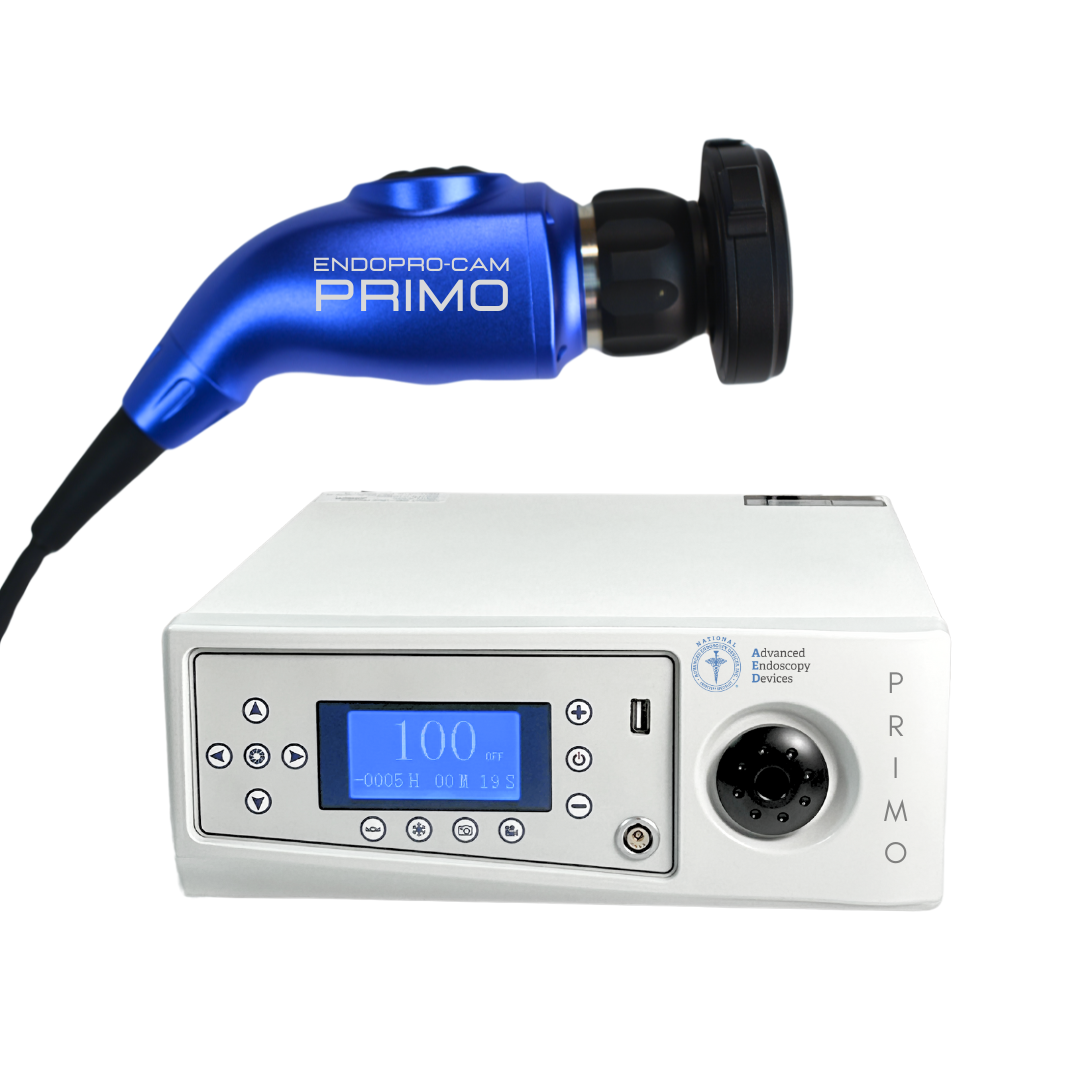
Una parte de la sesión incorporó el sistema de visualización AED ENDOPRO® 3D tanto en formatos didácticos como de disección. Introducido durante la conferencia y posteriormente aplicado durante el trabajo endoscópico, el sistema proporcionó una visualización mejorada de la profundidad de la anatomía sinonasal y de la base del cráneo, reforzando la orientación espacial dentro de los corredores operativos confinados.
El segundo día se centró en la cirugía de cabeza y cuello, donde el enfoque se amplió para incluir la resección y reconstrucción oncológica. Las disecciones incluyeron laringectomía, mandibulectomía y disección de cuello, junto con discusiones sobre el manejo avanzado del cáncer dirigidas por profesores invitados como Brittany Barber. El trabajo con cadáveres de cuerpo entero para la recolección de colgajos resaltó la importancia de la planificación reconstructiva y la integración de técnicas ablativas y reconstructivas.
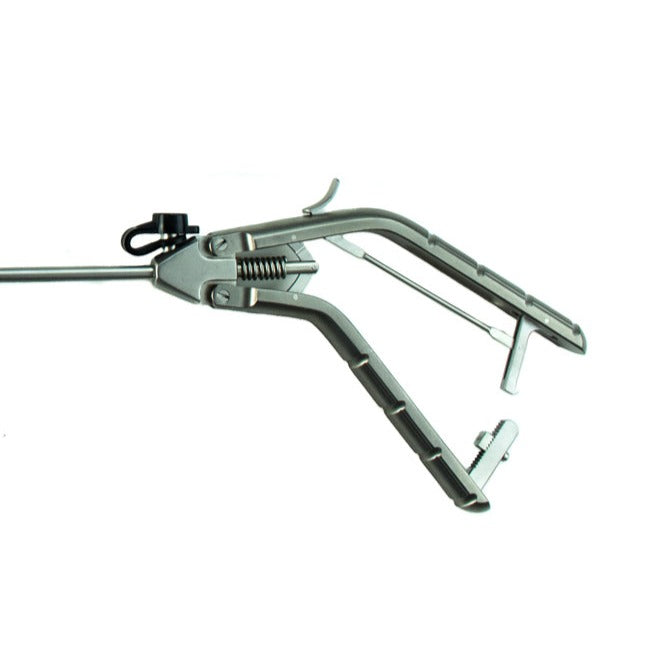
El último día se centró en la cirugía plástica y reconstructiva facial. Bajo la dirección de profesores como Sarah Akkina, las sesiones cubrieron rinoplastia, procedimientos de envejecimiento facial y reconstrucción de traumatismos. Estos ejercicios enfatizaron la precisión, la simetría y el equilibrio entre los resultados funcionales y estéticos. Un curso práctico sobre el hueso temporal reforzó aún más el papel de la técnica microquirúrgica dentro de la formación quirúrgica más amplia.
Durante los tres días, el curso mantuvo un patrón constante de conferencias cortas seguidas de disección práctica. Este enfoque permite a los participantes aplicar conceptos de inmediato y refinar la técnica mediante la repetición. Los especímenes cadavéricos proporcionan un entorno donde los procedimientos se pueden realizar y repetir, teniendo en cuenta la variación anatómica.
Si bien el curso incorpora técnicas y estrategias reconstructivas en evolución, estas se presentan dentro de un marco basado en la anatomía, la tutoría y la práctica. Los nuevos enfoques se introducen como extensiones de principios establecidos, en lugar de reemplazos.
El curso de la Universidad de Utah demuestra cómo la formación quirúrgica continúa adaptándose. Al combinar múltiples subespecialidades en un solo programa, refleja un enfoque que valora tanto la profundidad como el alcance, con habilidades técnicas, conocimientos anatómicos y juicio quirúrgico desarrollados en conjunto.
Experimente una forma más inteligente de obtener equipos de endoscopia, todo en un solo lugar.
✔ Amplia selección de marcas de endoscopia de confianza
✔ Precios competitivos sin comprometer la calidad
✔ Acceso rápido y fiable a las herramientas que necesita, cuando las necesita
Con una década de experiencia en innovación quirúrgica, Adam Dawoodjee documenta los últimos avances en cirugía mínimamente invasiva a través del blog Surgery Gets Smarter . Su cobertura se basa en las perspectivas de importantes congresos quirúrgicos, como la AUA, el Congreso Clínico de la ACS, SAGES y congresos especializados a nivel mundial, capturando tanto las tecnologías emergentes como los hitos en la práctica quirúrgica. Desde la revisión de nuevos instrumentos hasta la crónica de procedimientos revolucionarios, Adam explora cómo la innovación influye en la precisión quirúrgica, la eficiencia y los resultados para los pacientes.
Disclaimer
Disclaimer: All product names, logos, brands, and trademarks displayed on this website are the property of their respective owners and are used solely for informational and descriptive purposes. The appearance of any third-party trademarks does not imply any affiliation, endorsement, sponsorship, or authorization by the trademark holder. This ecommerce store and its product listings operate independently and are not affiliated with, authorized by, endorsed by, or officially connected to KARL STORZ, Medtronic, Olympus Corporation, Richard Wolf GmbH, Stryker Corporation, or any other trademark owners referenced on this site, including their respective subsidiaries or affiliates.
14 años de formación en otorrinolaringología en la Universidad de Utah